Accounting Software Cambodia: Easy Way to Cut 5 Risks
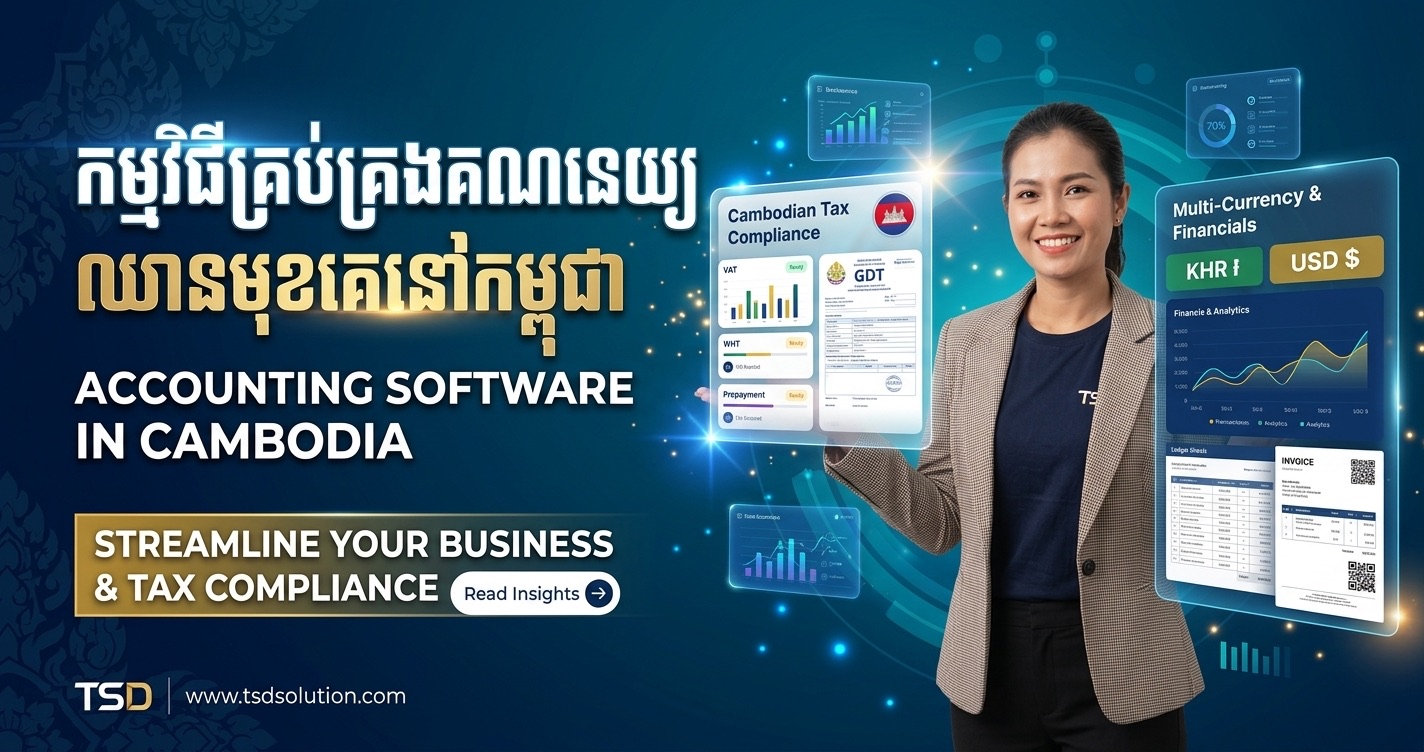
Accounting software Cambodia owners can trust is not a pretty P and L screen. It must keep dual USD and KHR books honest, post sales from real operations into journals, prepare tax-ready reports without weekend Excel panic, and leave an audit trail managers can defend. This Insights guide shows five verification checks before you buy.
Local Longevity
13+ Years
Cambodia Projects
3,000+
Currency Reality
USD + KHR
Close Path
Tax-Ready
What accounting software Cambodia must mean beyond a report screen
Owners searching for accounting software Cambodia rarely want another spreadsheet template. They want books that survive dual currency cash and KHQR, journals that match what the floor already sold, and month-end packs that do not collapse into a three-night Excel rescue.
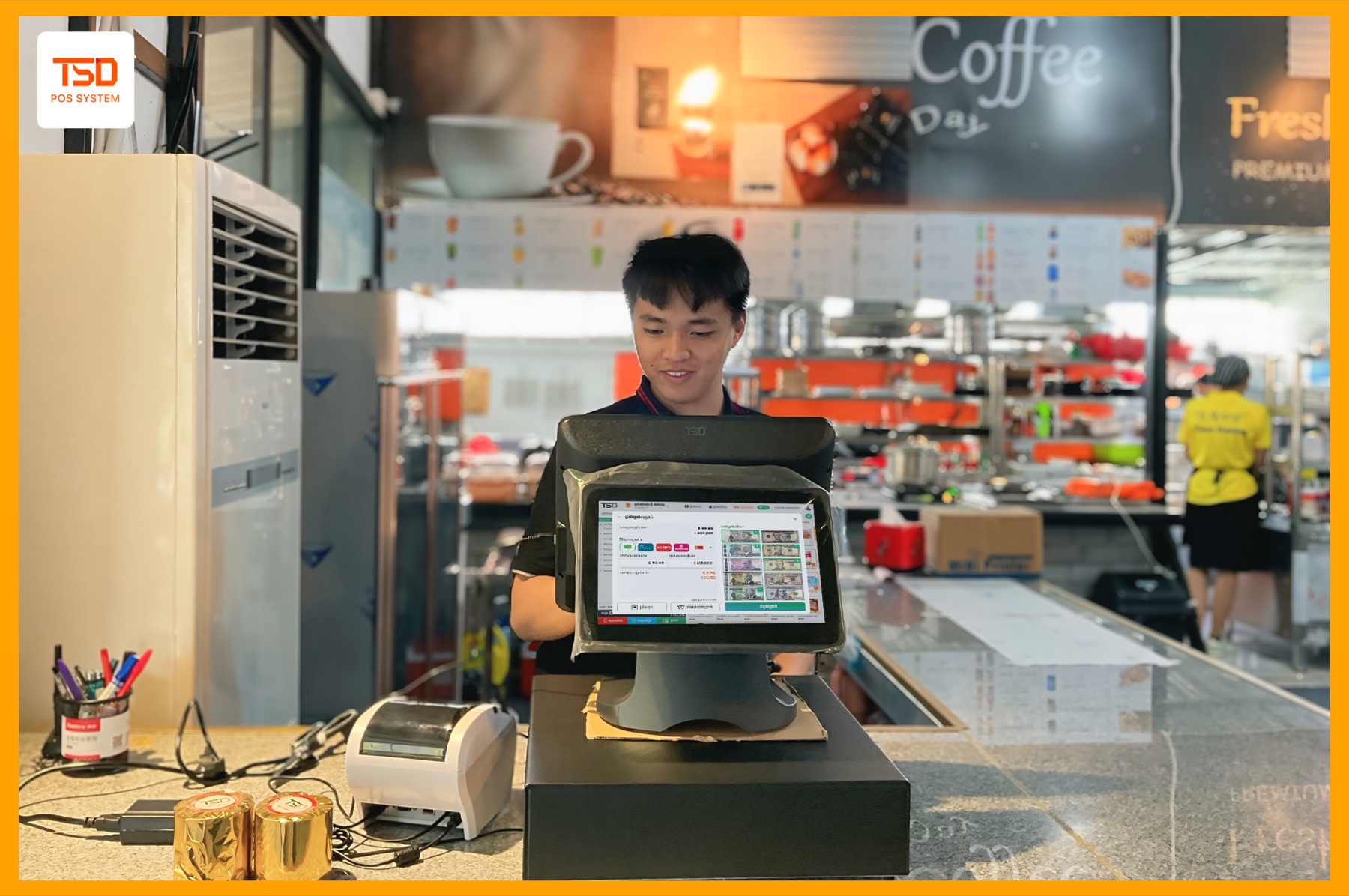
In Cambodia, books are inseparable from operations reality. POS counters collect USD and KHR on one ticket. Bakong KHQR settles into bank apps while cashiers still hand change in notes. Branches invent parallel notebooks. Finance then spends the last week of the month reconciling ghosts. Payment context still matters when books close: review the National Bank of Cambodia Bakong network and related NBC guidance while you score how sales and settlements should land in journals.
A durable ledger also has to survive people pressure. New cashiers invent shortcuts. Managers ask for “just this once” voids. Month-end deadlines collide with GDT filing windows. If your system cannot show who changed a journal and why, you inherit rumor instead of control. That is why this guide treats verification as an owner skill – not a software brochure exercise.
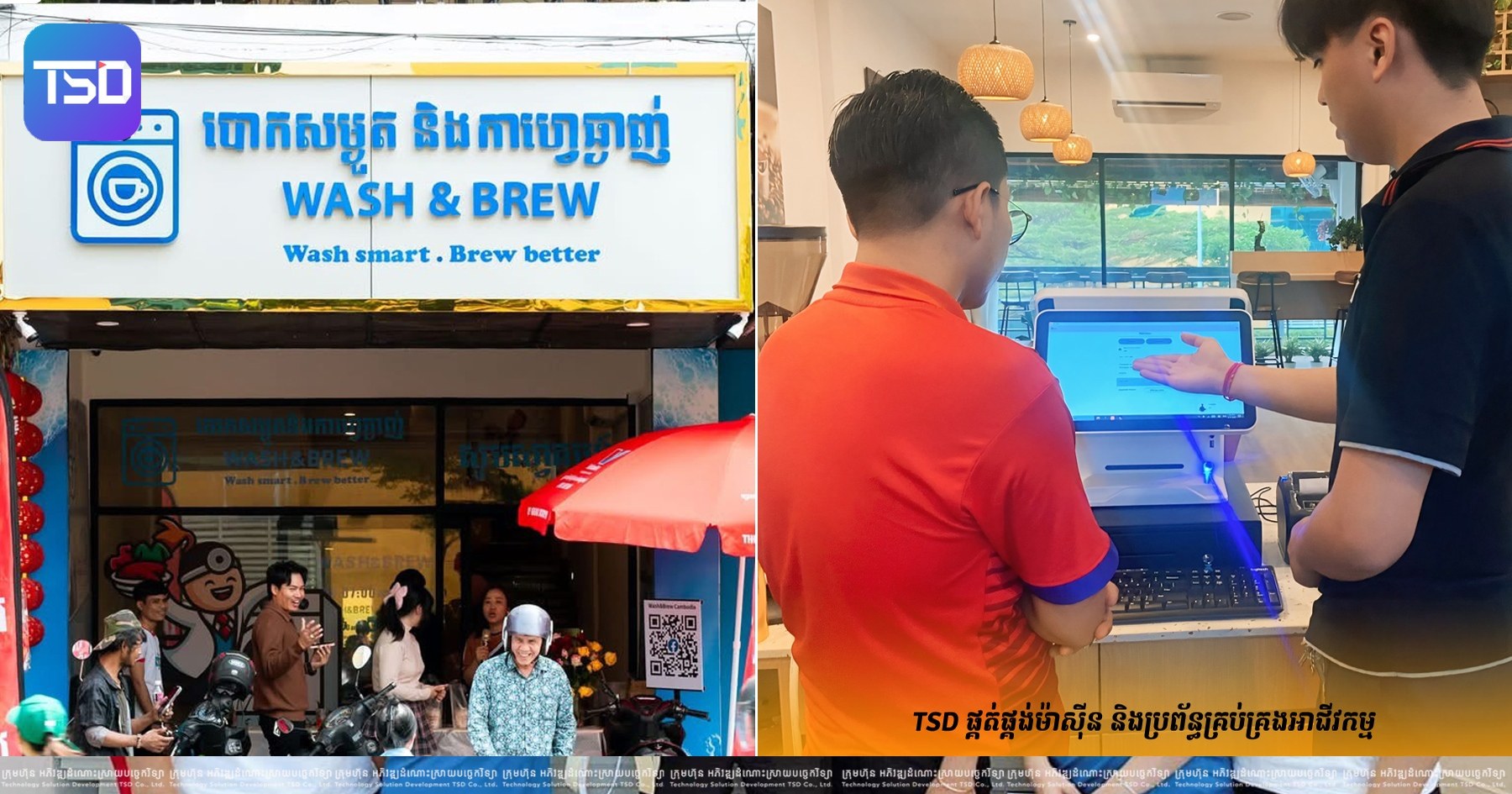
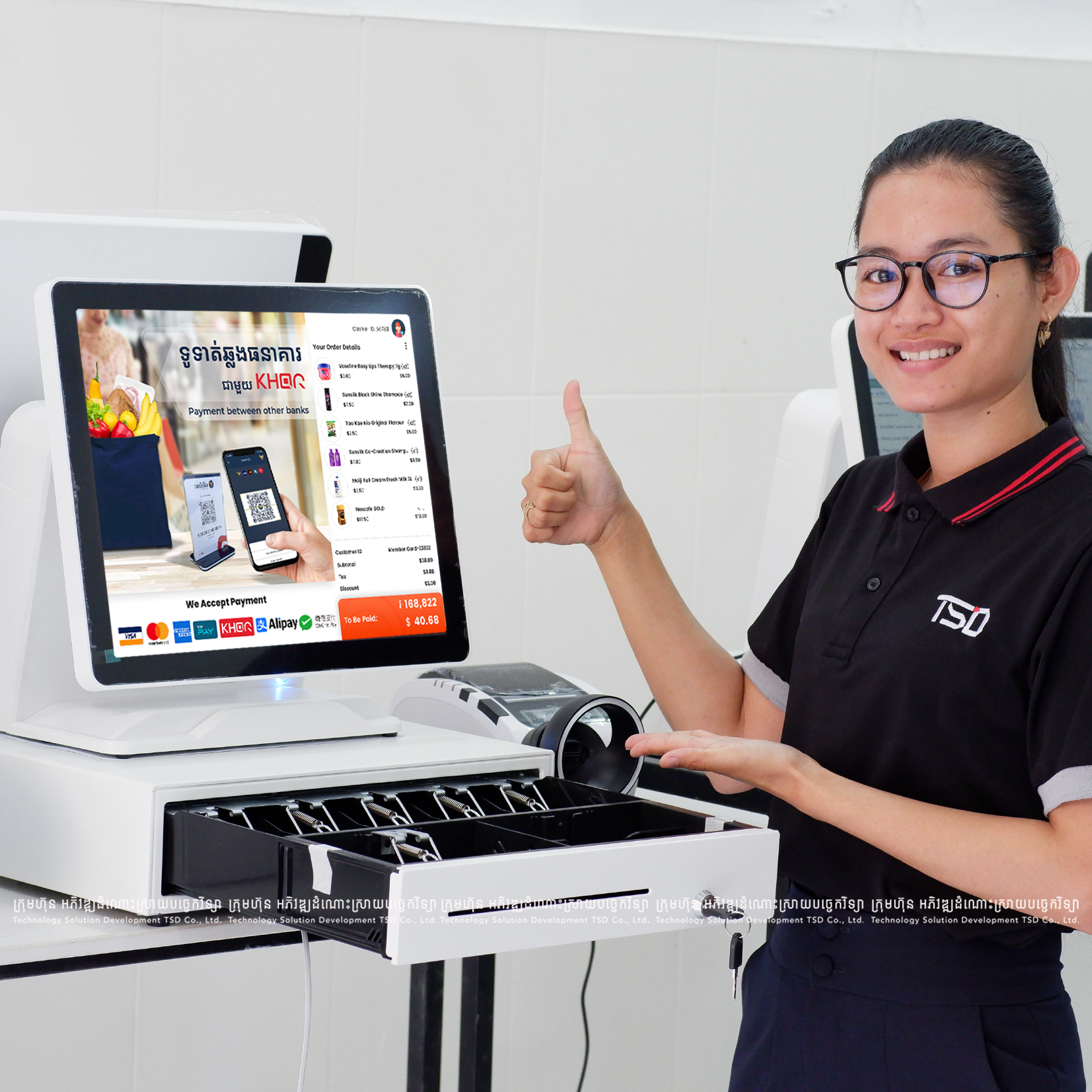
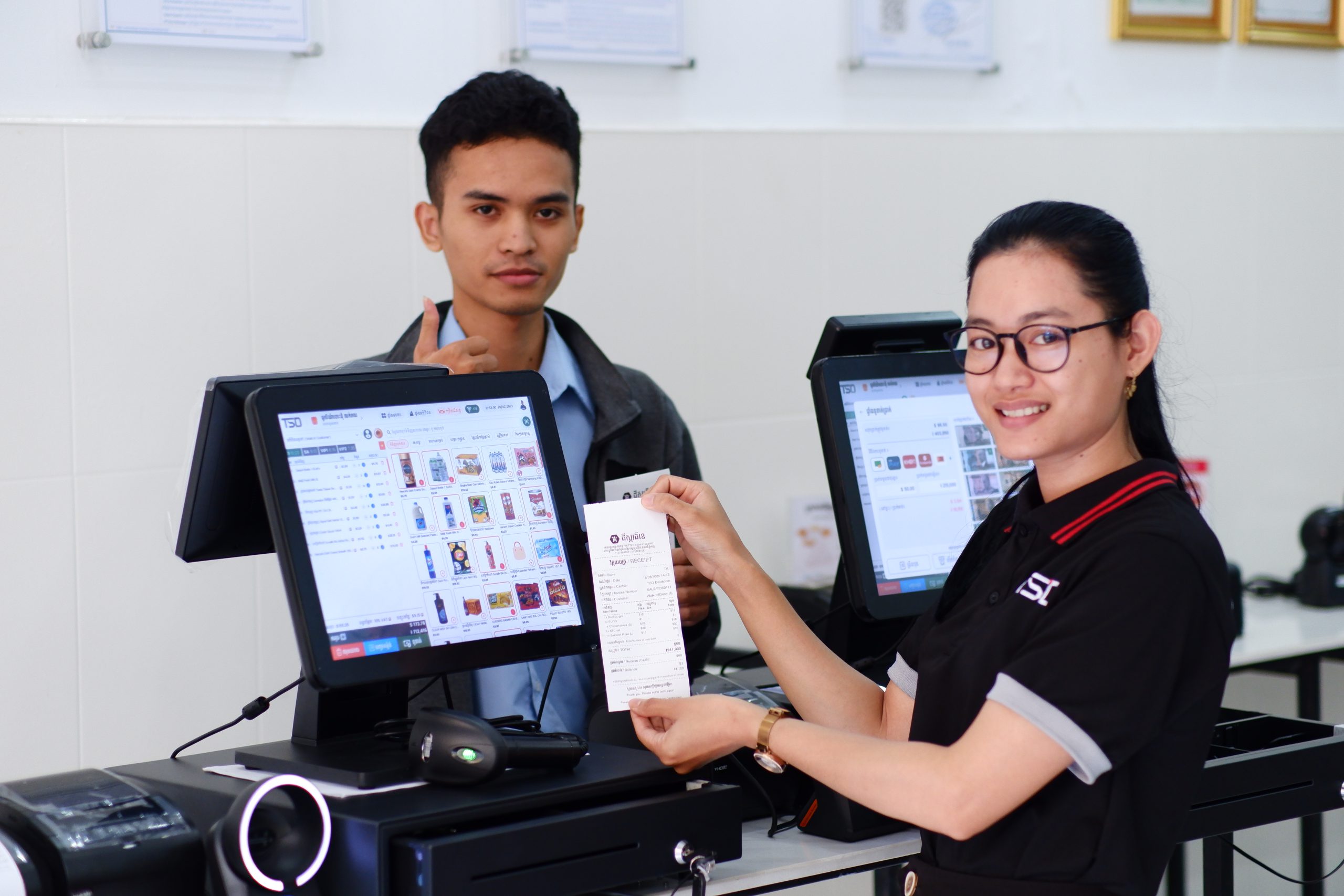
TSD builds books inside real Cambodia stacks – retail and inventory feeds, school fees with tax-oriented packs, and enterprise modules where HQ needs rollups. Use this guide beside TSD Insights, the sibling inventory management system Cambodia guide, and the POS product page when sales posting is part of your close.
Accounting software Cambodia: 5 ledger risks to cut
Print these five risks before any vendor meeting. Score pass, fail, or needs Demo. The vendor that earns honest passes is your shortlist – even if another brand advertises a cheaper monthly sticker.
Currency fog
USD and KHR live in separate Excels until someone invents a rate at month-end.
Retype journals
Cashiers sell all day while finance re-enters the same tickets into books overnight.
Tax scramble
Prepayment, VAT, and withholding packs start as screenshots instead of structured reports.
Branch drift
Each shop or campus keeps a private ledger that never matches HQ.
Audit silence
Nobody can prove who changed a journal after go-live – and Support disappears.
Credible shortlists cut those risks with dual-currency ledgers, ops-to-journal posting, tax-oriented reporting, multi-entity clarity, and an audit trail backed by local Support. TSD designs for that checklist – and still expects you to verify every claim on your own chart of accounts before you sign.
1. Dual currency ledgers that stay honest on every journal
Cambodia books almost never live in one currency. A serious Demo must show USD and KHR on the same close path without forcing finance to invent rates in a side sheet. Demand a journal that records both sides clearly when a sale mixes cash, bank transfer, and KHQR.
Owners often discover currency fog only after week two, when bank apps show KHQR in one currency and the ledger shows another. Force the vendor to walk a mixed ticket from guest screen to journal line while you watch. If the story needs a private Excel rate table, the package is not ready for Cambodia operations.
Mixed tender clarity
Cash and KHQR on one ticket still land as readable journal lines.
Rate discipline
Exchange handling is explicit – not a hidden formula only one accountant knows.
Trial balance trust
Period close still balances when both currencies appear in the same week.
If dual currency only works in a sales screen and collapses in the general ledger, reject the package early. Books that lie about money create tax and payroll pain later.
2. Operations that post into books without retyping
Accounting that ignores the floor is theater. For retail and wholesale, sales should reduce stock and feed journals. For campuses and clinics, fees and service bills should become receivables without a second typing shift. Pair this check with the inventory management system Cambodia guide when stock and books must tell the same story.
Sale to journal: Complete one real ticket and open the resulting ledger movement in the same Demo.
Return path: Refund or credit note reverses cleanly with an audit line.
No shadow books: Cashiers are not maintaining a parallel notebook that finance later trusts more than the system.
Permission walls: Not every staff member can edit posted journals without a trail.
Vendors that only import CSV dumps once a week are selling delay. Owners pay for that delay in overtime and silent mistakes.
3. Tax-ready reporting for Cambodia month-end pressure
Cambodia close cycles bring tax-oriented pressure – prepayment, VAT, withholding, and school or enterprise packs when the business type requires them. Good books software does not promise to replace your tax advisor. It should produce structured reports finance can review without rebuilding every schedule from screenshots.
Campus and multi-entity owners feel this harder because fee calendars and tax windows collide. Ask whether period packs can filter by entity, campus, or branch without a weekend of copy-paste. Soft claims such as “full GDT certification” without Demo evidence should not pass. Ground your questions in the reports you already file – not in vendor slogans.
Period packs
Month and year views that export without manual copy-paste chaos.
Tax orientation
Clear fields for the taxes your entity actually files – verified on Demo data.
Advisor-ready
Reports your accountant can audit without reverse-engineering Excel macros.
Ask each vendor to run a sample close on your chart of accounts. Soft brochure claims about “full tax compliance” without a Demo trail should not pass your shortlist.
4. Branch and entity books that do not drift apart
Second shops, campuses, and shared warehouses create the same failure: each site invents local truth. Accounting software for Cambodia scale must show how a second location inherits the chart of accounts, posts into the correct books, and still rolls into HQ views without rebuilding everything by hand.
Shared chart: New branch starts from controlled accounts – not a blank notebook.
Local posting: Site cashiers or cashiers of fee collection still hit the right journals.
HQ rollup: Owners see consolidated totals without waiting for emailed Excels.
Inter-site clarity: Transfers and shared costs leave a document trail.
If multi-branch is in your 12-month plan, force this Demo on day one. Retrofitting branch books after go-live is where many import SaaS packages quietly fail.
Also ask how inter-branch transfers and shared warehouse costs appear. Silent balancing entries that nobody can explain become tax and audit pain later. Pair this check with the multi-branch POS Cambodia Insights guide when retail growth is part of the same roadmap.
5. Audit trail plus Support that still answers after go-live
Books without an audit trail become rumor. Demand user-level history on journal edits, voided documents, and permission changes. Then ask who answers at 21:00 when a close fails – local Support 24/7 is part of the accounting package for Cambodia owners, not a nice-to-have chat widget.
Who changed what
Edits leave a readable trail for owners and auditors.
Role control
Cashiers, accountants, and directors do not share one god password.
Aftercare
On-site training and Support that stays after the first close.
TSD’s Cambodia practice is built around on-site installation, training until teams are fluent, and Support that remains reachable. Still verify the trail and the response path on your own Demo script.
LEDGER PULSE for Demo verification
Demand measurable pass or fail markers – not brochure adjectives – when any vendor claims accounting excellence.
LEDGER PULSE
Accounting Cambodia Demo markers
LIVE – AUDIT MODE
Dual CurrencyPASS
USD+KHR
One journal shows both currencies without a side Excel
Sale PostingOPS LINK
AUTO
Floor ticket becomes a ledger line in the same Demo
Close PackTAX READY
EXPORT
Period report leaves the room without screenshot stitching
Audit TrailWHO EDITED
NAMED
Journal change shows user and timestamp
* Example pulse for owner demos. Ask each vendor to prove the same markers on your chart of accounts and payment mix.
Live Demo checklist for accounting buyers
Bring this script into every Demo. A vendor that cannot complete it is unlikely to deliver a durable accounting rollout in Cambodia. Record pass or fail beside each line so finance and operations managers share the same evidence before package negotiations begin.
Chart sanity: Load a simplified chart that matches your business type.
Dual tender sale: Post cash plus KHQR and open the journal in both currencies.
Ops link: Sell or collect a fee and confirm the books move without retyping.
Return or credit: Reverse a document and show the audit line.
Period export: Produce a month pack finance can review offline.
Branch preview: Show how a second site inherits accounts without cloning chaos.
Named Cambodia installs that stress-test books and fees
Campus fees, multi-site retail, and dense counters are the real exam for any ledger shortlist – not a quiet Demo room with perfect Wi-Fi.
Named installs matter because they show how books behave under real volume. Bright Hope Institute stresses tuition collection and tax-oriented campus reporting. THE K GROUND and Bonjour Mart stress dual currency retail velocity. Merah Putih stresses multi-counter continuity when networks wobble. Use those stories as Demo questions, not as marketing wallpaper.
CAMPUS AND TAX ORIENTATION
Bright Hope Institute
School fees, double-entry pressure, and GDT-oriented reporting that punish weak books.
What should accounting software Cambodia owners verify first?
Confirm dual currency journals and ops posting: complete one sale or fee collection, open the ledger, and prove USD plus KHR still make sense. Then test period exports, branch inheritance, and audit trails before discussing price.
Is Excel enough for Cambodia accounting?
Excel can start a tiny shop. Dual currency, KHQR settlements, second branches, and tax-oriented month-end packs usually outgrow spreadsheets because finance and the floor stop matching in the same week.
How does TSD approach Cambodia accounting deployments?
TSD embeds ledgers inside real operations stacks – POS and inventory feeds, school fee systems with tax orientation, and enterprise modules – with on-site training and Support 24/7. Owners still must verify journals on their own chart during Demo.
Does accounting software replace a tax advisor?
No. Good software produces structured reports and audit trails. Your advisor still reviews filings. Demand Demo proof that reports are usable, not that a vendor replaces professional tax judgment.
How do payments like Bakong KHQR affect the books?
Digital QR settlements must land as clear journal lines beside cash. Pair accounting checks with Bakong and NBC guidance, then force a mixed-tender Demo.
Where should I go after this accounting guide?
Read inventory management system Cambodia and best POS Insights, open the TSD POS product page, review the Bright Hope school story for fee and tax-oriented books, then book a Demo via Telegram.
BOOK AN ACCOUNTING DEMO
Ready to verify accounting software Cambodia fit for your books?
Share your chart of accounts outline, currency mix, branch plan, and tax pressure points. TSD will run dual currency, posting, export, and audit checks – then quote a clear software and Support package.
From fuel depots and auto care to retail, logistics, and enterprise — teams across Cambodia choose TSD Solution for expertise, fast Support, and systems that fit real operations.