Mobile App Development Cambodia: Easy Way to Cut 5 Risks
Mobile app development Cambodia owners can trust is not a pretty mockup on a pitch deck. It must survive weak networks, dual currency and KHQR payments, rider or field workflows, store listing scale, and Support that still answers after launch. This Insights guide shows five verification checks before you fund a build.
Local Longevity
13+ Years
Cambodia Projects
3,000+
Build Style
Phased
Aftercare
Support 24/7
What mobile app development Cambodia must mean beyond UI screens
Owners searching for mobile app development Cambodia rarely want another pretty prototype. They want apps that move riders, cashiers, warehouse teams, marketplace sellers, or guests – then still sync cleanly when fiber drops and KHQR settles into bank apps.
In Cambodia, mobile software lives beside dual currency cash, Bakong QR, Android-heavy fleets, and managers who need HQ visibility without chasing WhatsApp screenshots. A build that only works on strong Wi-Fi in a Demo room will fail on real roads and shop floors. Payment context still matters: review the National Bank of Cambodia Bakong network and related NBC guidance while you score in-app settlement readiness.
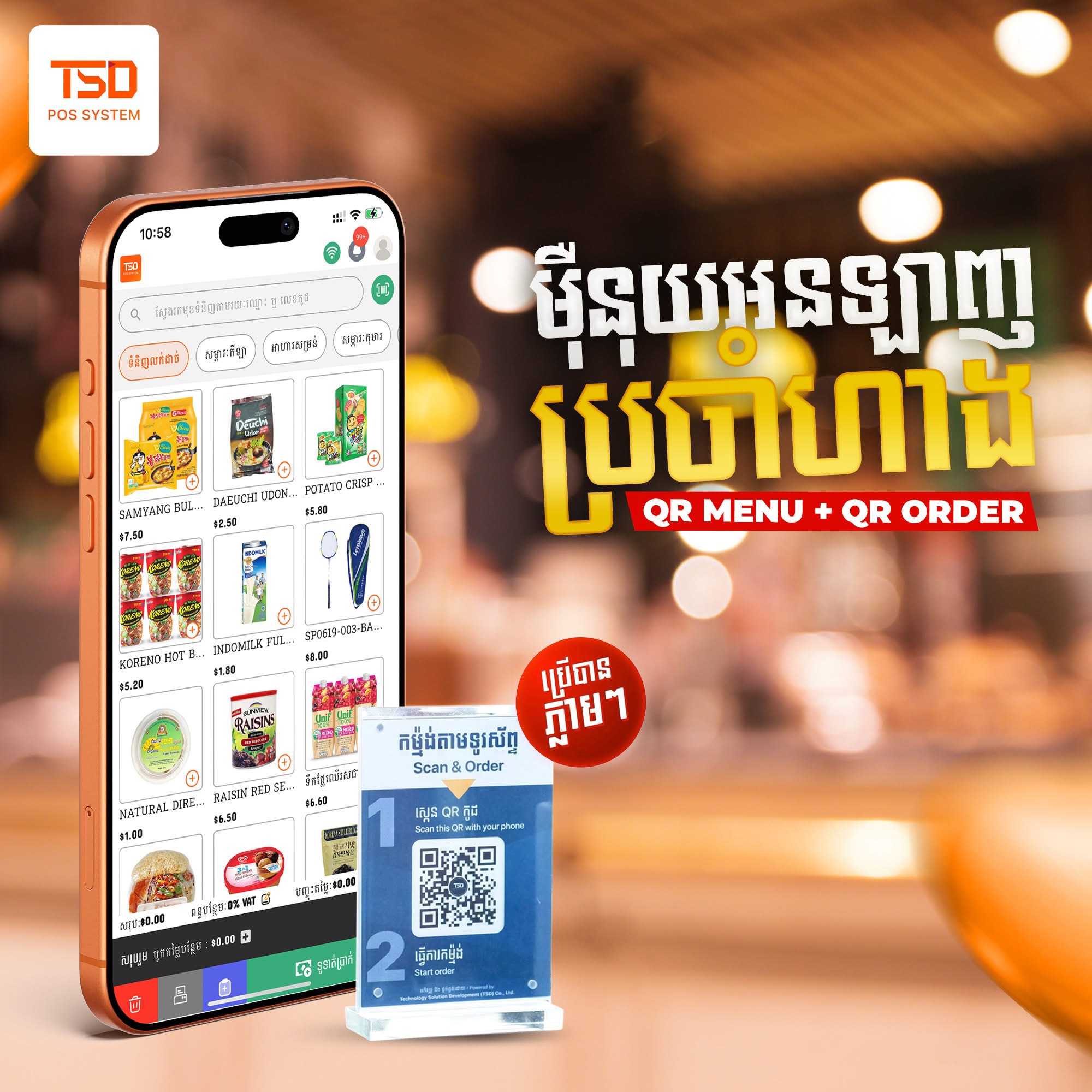
TSD builds mobile products that sit inside real operations stacks – delivery dispatch, marketplace listing apps, POS companion apps, QR e-Menu ordering, and enterprise field tools – with phased milestones and Support after launch. Use this guide beside TSD Insights, the software development process Cambodia path, and product lanes such as e-Menu and e-Order when guest ordering is part of the same roadmap.
Also decide which roles live on phones versus HQ browsers. Field staff need fast ticket capture. Managers need catalogs, disputes, and rollups. If those layers are not separated early, one release tries to do everything and ships nothing reliable.
Treat every vendor pitch as a verification job. If the team cannot show a live workflow with your users, your payment mix, and a weak-network path, you are buying screens – not a Cambodia-ready mobile system.
Mobile app development Cambodia: 5 build risks to cut
Print these five risks before any agency meeting. Score pass, fail, or needs Demo. The partner that earns honest passes is your shortlist – even if another quote looks cheaper on paper.
UI-only builds
Beautiful screens that never match rider, cashier, or warehouse steps.
Cloud-only freeze
Apps that die when fiber drops – with no offline capture or sync plan.
Payment theater
Static QR screenshots instead of sale-tied KHQR and dual currency totals.
No HQ console
Staff apps without admin tools for catalog, roles, disputes, and reports.
Launch and leave
No phased milestones, no training, and Support that vanishes after go-live.
Credible shortlists cut those risks with ops-matched workflows, offline continuity, Cambodia payment readiness, admin control, and aftercare. TSD designs for that checklist – and still expects you to verify every claim on your own process map.
1. Ops workflows that match how Cambodia teams actually work
A serious Demo must follow one real job end to end: create an order, assign a rider, accept a marketplace listing, scan a waybill, or take a guest QR order into the kitchen. Screens that skip the messy middle steps will create shadow notebooks again.
One real job
Walk a complete ticket from open to close with your roles.
Role clarity
Riders, cashiers, admins, and owners do not share one god account.
System links
App events land in POS, dispatch, or HQ books without retyping.
Ask vendors to map your process first. If they start with color palettes instead of job steps, the build is already drifting away from Cambodia operations.
2. Offline and weak-network continuity for field staff
Riders, depots, and street sales do not enjoy perfect fiber. Demand a Demo that captures work offline or on weak network, then syncs without duplicating tickets. Pair this check with the offline hybrid POS Cambodia Insights guide when counter and app continuity must stay aligned.
Capture first: Staff can finish a task when the signal dies.
Sync later: Queued actions upload cleanly when the network returns.
Conflict rules: Duplicate tickets and void paths are explicit – not mystery merges.
Device reality: Android-heavy fleets and mid-range phones are in the test matrix.
Pure cloud demos that only work in the agency office should not pass your shortlist for field-heavy businesses.
3. Payments that fit Bakong KHQR and dual currency reality
Cambodia customers pay with cash, bank transfer, and KHQR – often on the same day. In-app payments should create clear paid states, dual currency totals when needed, and settlement lines managers can trust. Soft claims about “QR ready” without a live sale Demo are marketing fog.
Sale-tied KHQR
QR belongs to the ticket – not a random poster photo.
USD and KHR
Totals and change rules stay readable for guests and staff.
Paid confirmation
Status flips only when payment truth lands – then reports match.
Force a mixed-tender Demo. If finance still needs a side Excel to understand the day, the app is not ready for Cambodia close routines.
4. Admin consoles that keep HQ in control after launch
Staff apps without an HQ console create chaos: prices drift, roles multiply, and disputes hide in chat threads. Demand admin tools for catalogs, permissions, dispute handling, and owner reports before you approve the build budget.
Catalog control: Update SKUs, fees, or listings without waiting for a developer every time.
Role walls: Field users cannot silently rewrite posted records.
Dispute trail: Cancellations and refunds leave a readable history.
Owner views: Branch or fleet totals roll up without emailed screenshots.
Marketplace, delivery, and multi-store apps fail here first. If HQ cannot steer the system, growth only multiplies noise.
5. Phased delivery plus Support that stays after go-live
Cambodia owners should see progress in milestones – not only a final surprise release. Ask for a phased plan, on-site or remote training until teams are fluent, and Support hours that match real operations. TSD’s practice is clear delivery, proven scale, and Support that stays after launch – still verify the response path on your contract draft.
Milestone reviews
You inspect working slices – not only slides.
Training to fluency
Staff practice real tickets before go-live week.
Aftercare
Someone answers when a release breaks a field path.
Demand measurable pass or fail markers – not brochure adjectives – when any vendor claims mobile excellence.
APP PULSE
Mobile Cambodia Demo markers
LIVE – FIELD MODE
Ops JobPASS
END-TO-END
One real ticket closes with your roles
Weak NetworkOFFLINE
SYNC OK
Capture then upload without lost tickets
KHQR PathPAY READY
SALE-TIED
Paid state matches the ticket
HQ ConsoleCONTROL
LIVE
Admin can change catalog and roles
* Example pulse for owner demos. Ask each vendor to prove the same markers on your process map, devices, and payment mix.
Live Demo checklist for app buyers
Bring this script into every Demo. A vendor that cannot complete it is unlikely to deliver a durable mobile rollout in Cambodia. Record pass or fail beside each line so product, ops, and finance share the same evidence.
Process map: Confirm the vendor restates your job steps before coding talk.
End-to-end ticket: Complete one real workflow with your roles.
Weak-network path: Kill signal mid-task, then sync cleanly.
Payment path: Run KHQR or dual currency with a paid confirmation.
Admin change: Update a price, role, or listing live from HQ tools.
Device check: Test on the Android or iOS class your staff actually use.
Aftercare plan: Get Support hours, training scope, and milestone calendar in writing.
Named Cambodia apps and mobile-led installs
Marketplace apps, delivery stacks, POS companions, and QR ordering are the real exam for any mobile shortlist – not a quiet Demo room with perfect Wi-Fi.
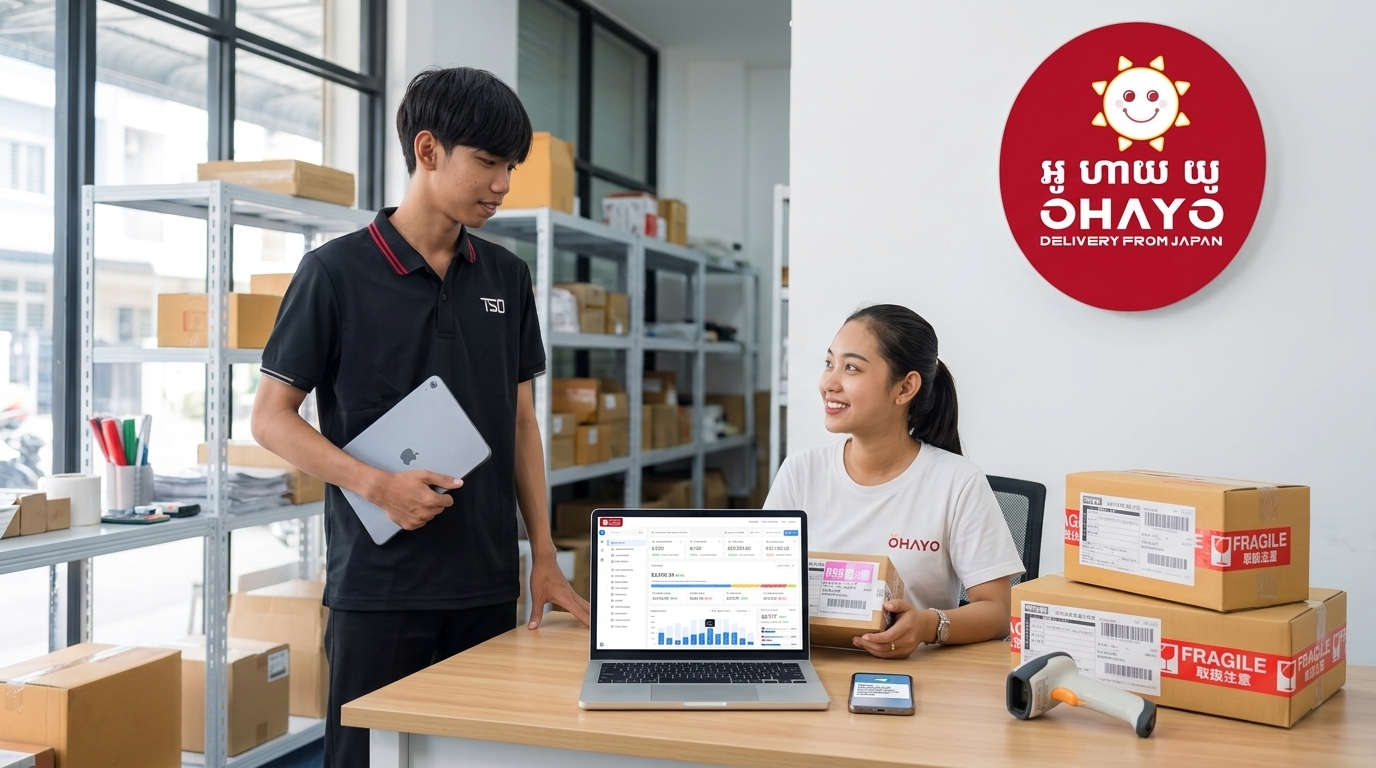
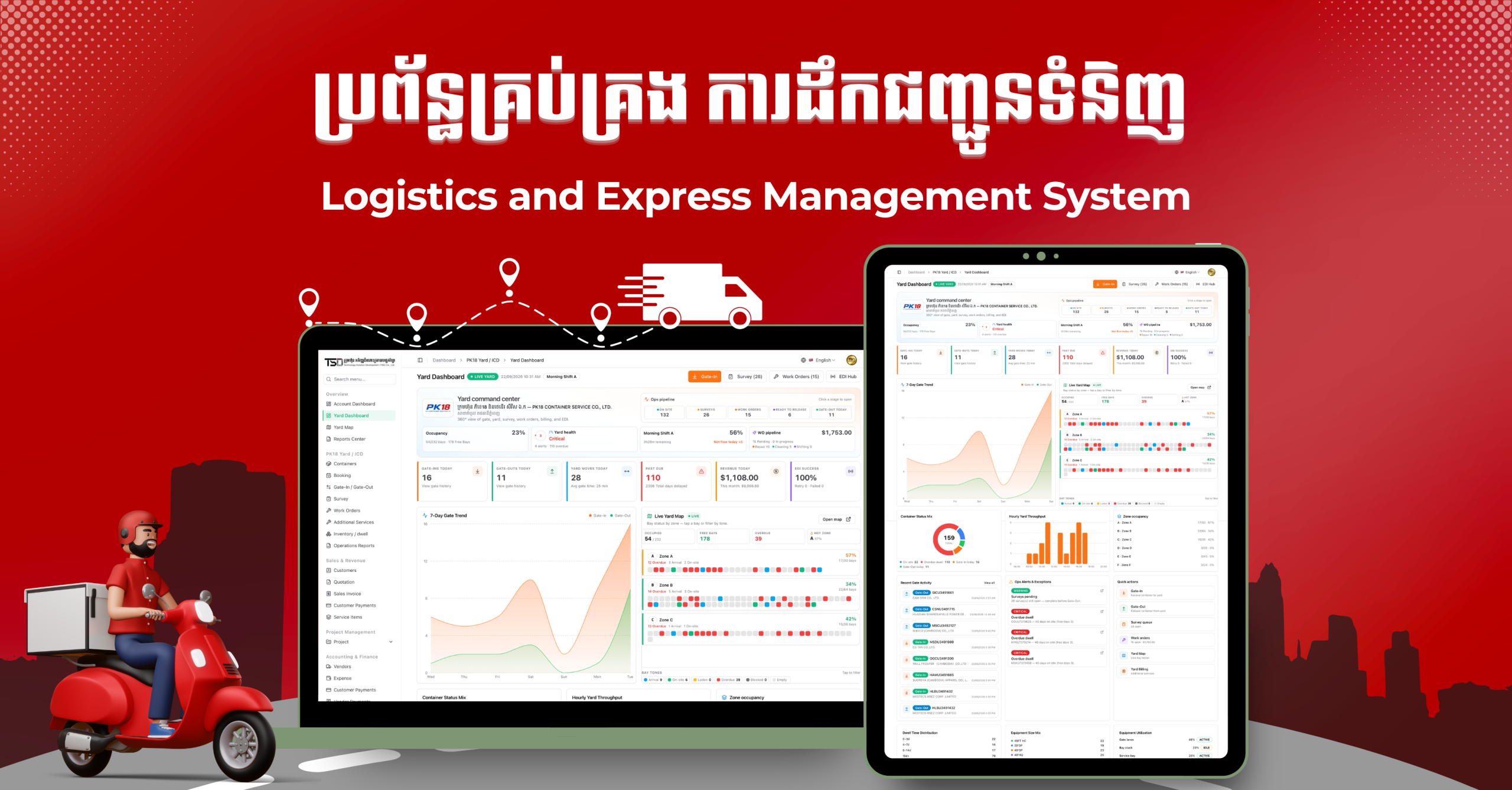
Use these named installs as Demo questions. Huatong stresses multi-store marketplace mobile scale. Delivery Management and OHAYO stress dispatch and international cargo apps. TSD POS App and Android handheld paths stress offline companion use. QR e-Menu stresses guest ordering that still lands in POS.
MARKETPLACE APP
Huatong Marketplace Mobile App
Multi-platform classified ads and listing apps across 7 global stores.
What should mobile app development Cambodia owners verify first?
Confirm one end-to-end ops job with your roles, then test weak-network sync, sale-tied KHQR or dual currency payments, and an HQ admin console. Price talks come after those passes.
Do I need a native app or can a web app work?
It depends on offline needs, device sensors, and store distribution. Many Cambodia ops stacks use Android-first or hybrid apps for field staff and web consoles for HQ. Demand a Demo on the device class your team already owns.
How does TSD approach Cambodia mobile builds?
TSD embeds apps inside real operations – delivery, marketplace, POS companions, QR ordering – with phased milestones, training, and Support 24/7. Owners still must verify workflows on their own process map during Demo before signing a package.
Should payments be part of the first release?
If guests or riders pay through the app, yes – at least a clear paid path with KHQR and readable totals. If the first milestone is internal dispatch only, document that boundary so payment scope does not hide inside the quote.
How do Bakong KHQR rules affect my app plan?
Digital QR settlements must land as clear paid states, not screenshot workarounds. Pair mobile checks with Bakong and NBC guidance, then force a live payment Demo.
Where should I go after this mobile guide?
Review software development process Cambodia, delivery management and Huatong stories, QR e-Menu product pages, offline hybrid POS Insights, then book a scoped Demo via Telegram.
BOOK A MOBILE DEMO
Ready to verify your Cambodia mobile build fit for real ops?
Share your process map, device mix, payment needs, and launch timeline. TSD will run workflow, offline, KHQR, and admin checks – then quote a clear phased build and Support package.
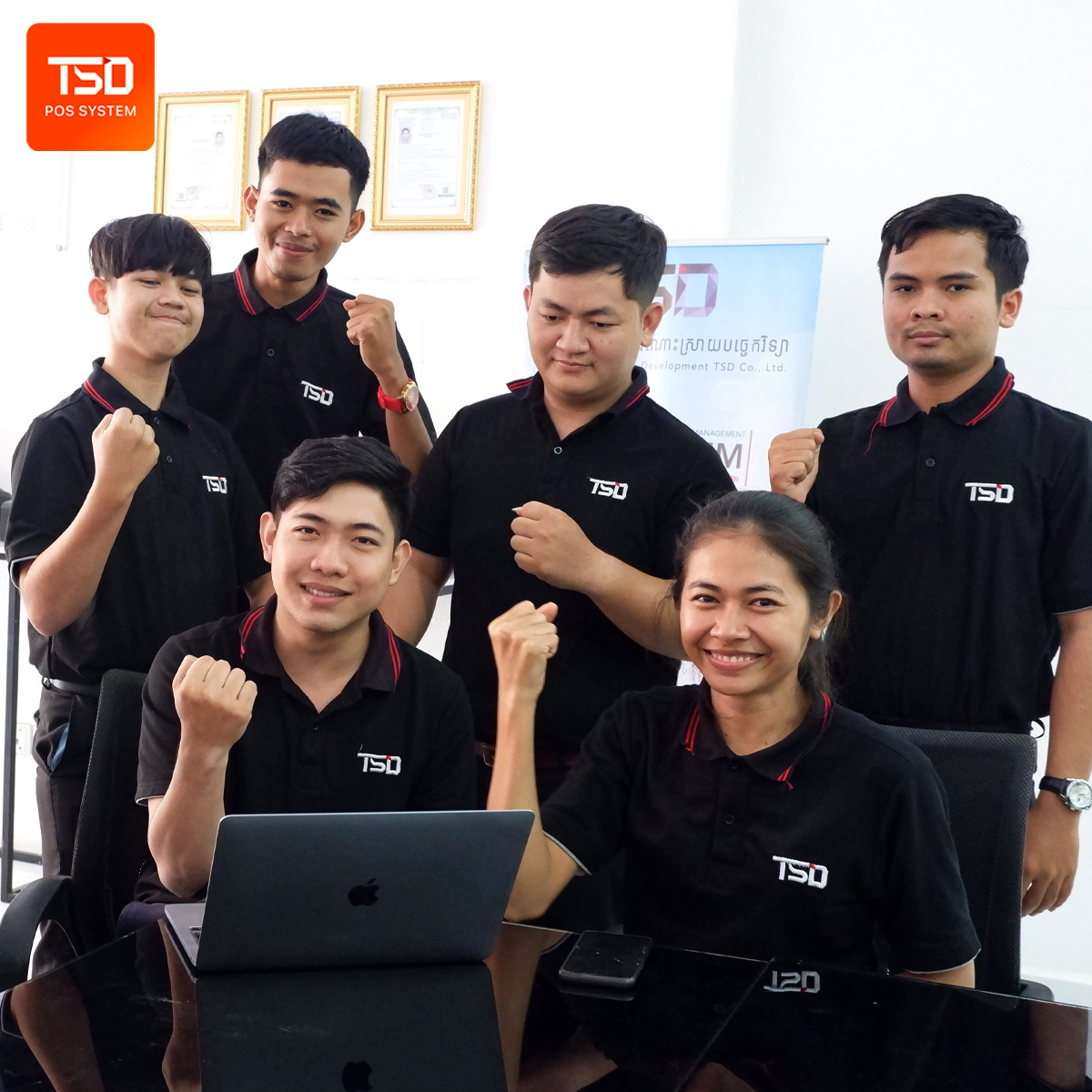
From fuel depots and auto care to retail, logistics, and enterprise — teams across Cambodia choose TSD Solution for expertise, fast Support, and systems that fit real operations.