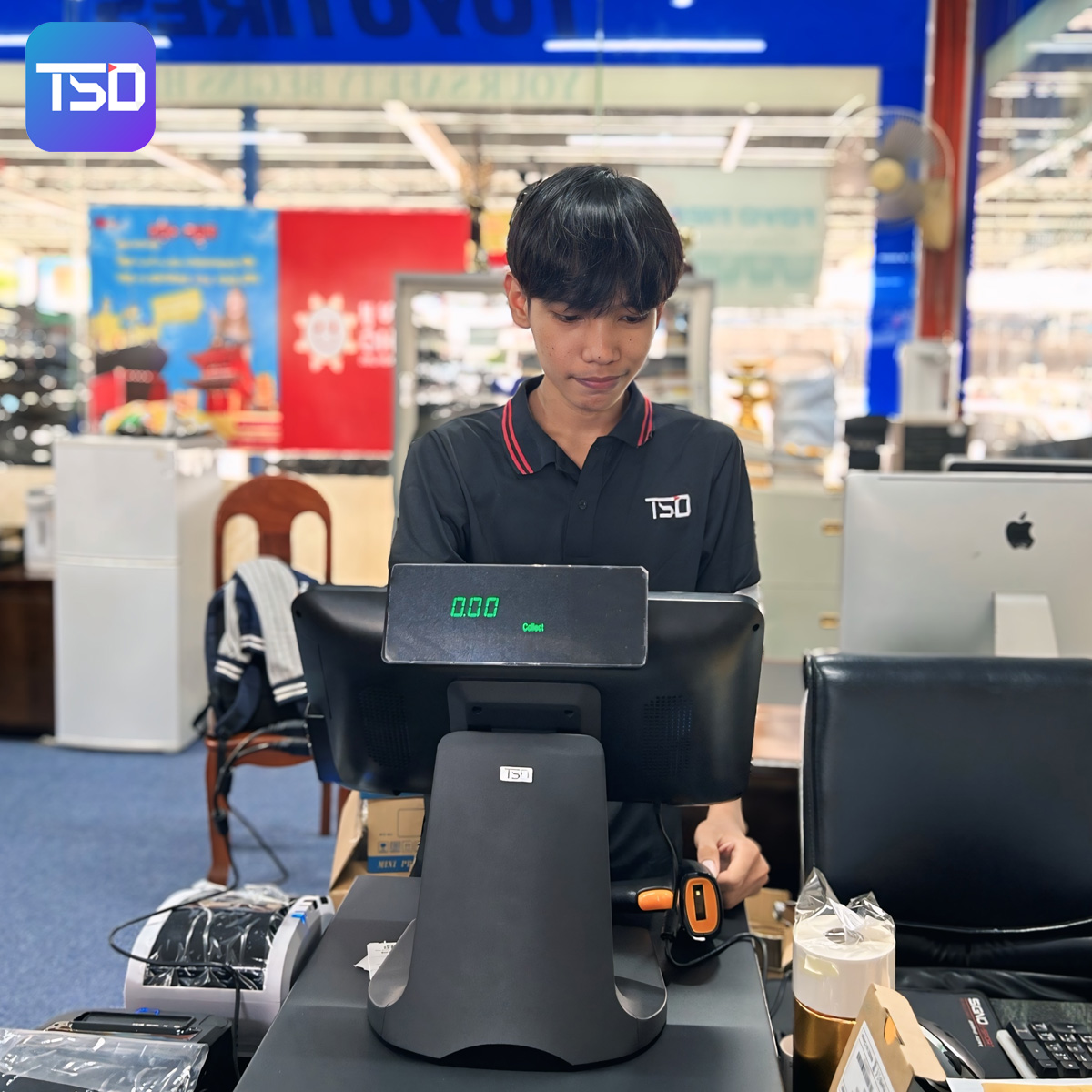
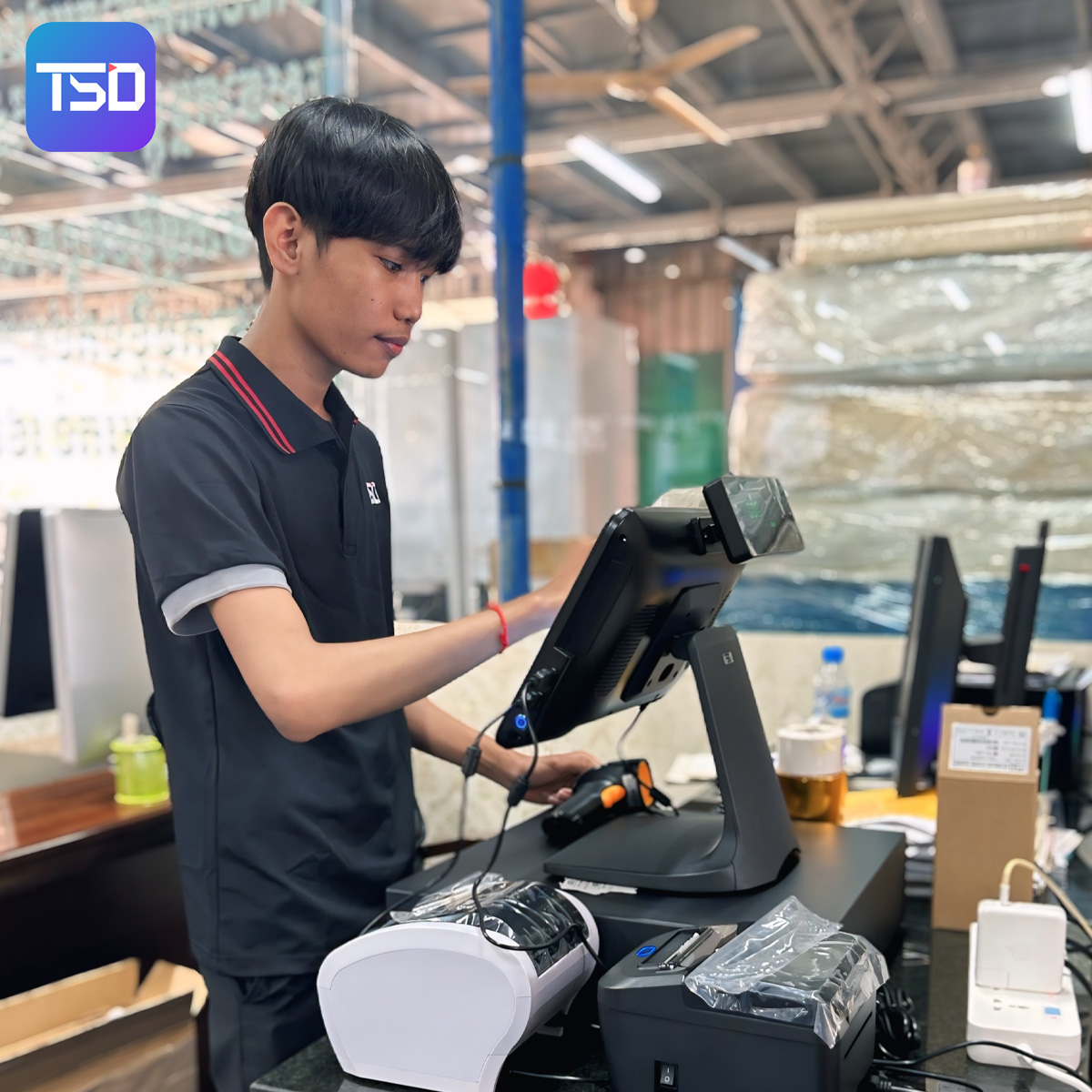
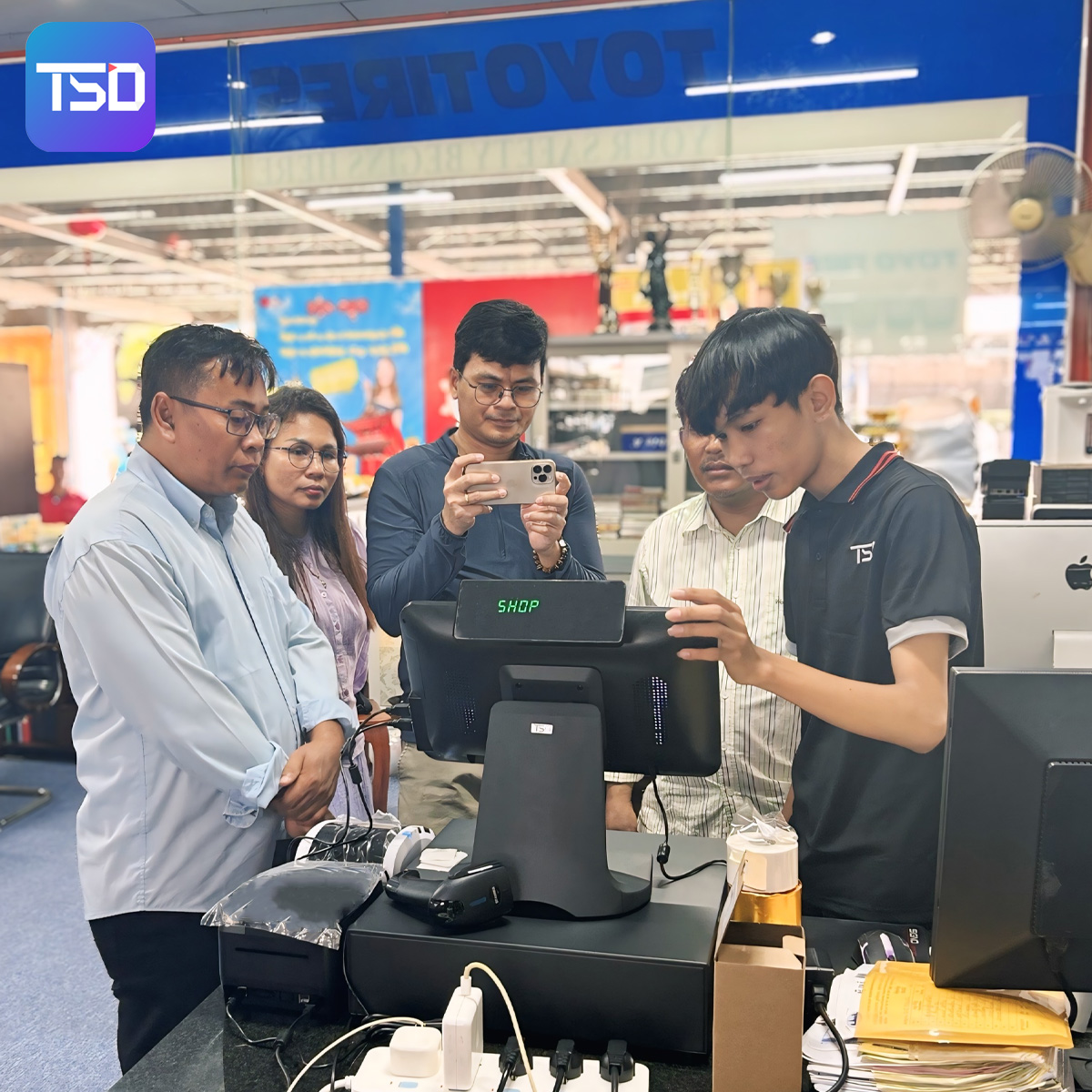
Objectives
The primary objective was to deploy a mission-critical cross-border delivery management system connecting Tokyo consolidation hubs with Cambodia final-mile distribution.
The project was engineered to achieve the following core objectives:
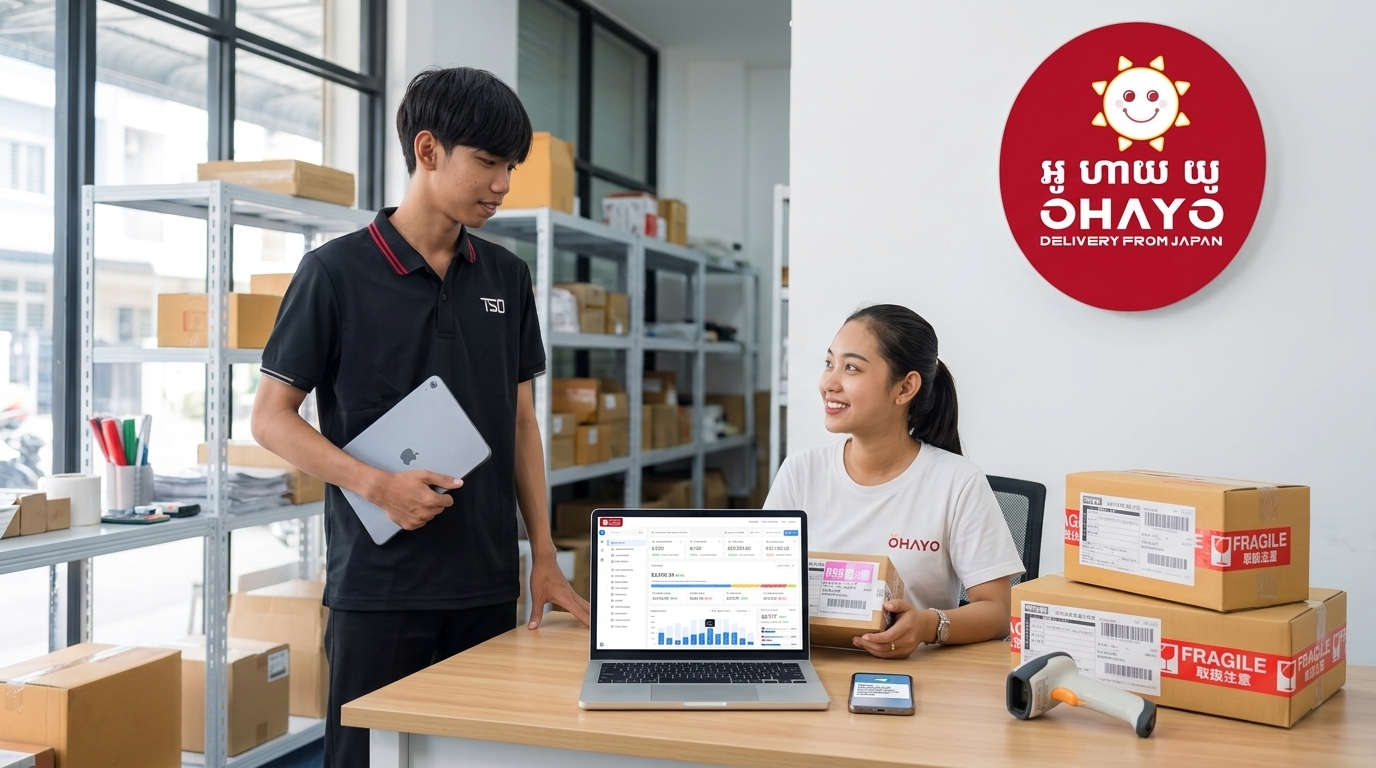
‣ Streamline Cross-Border Manifest Ingestion: Ingest bulk Tokyo air freight manifests directly into cloud inventory with automatic CBM and weight verification.
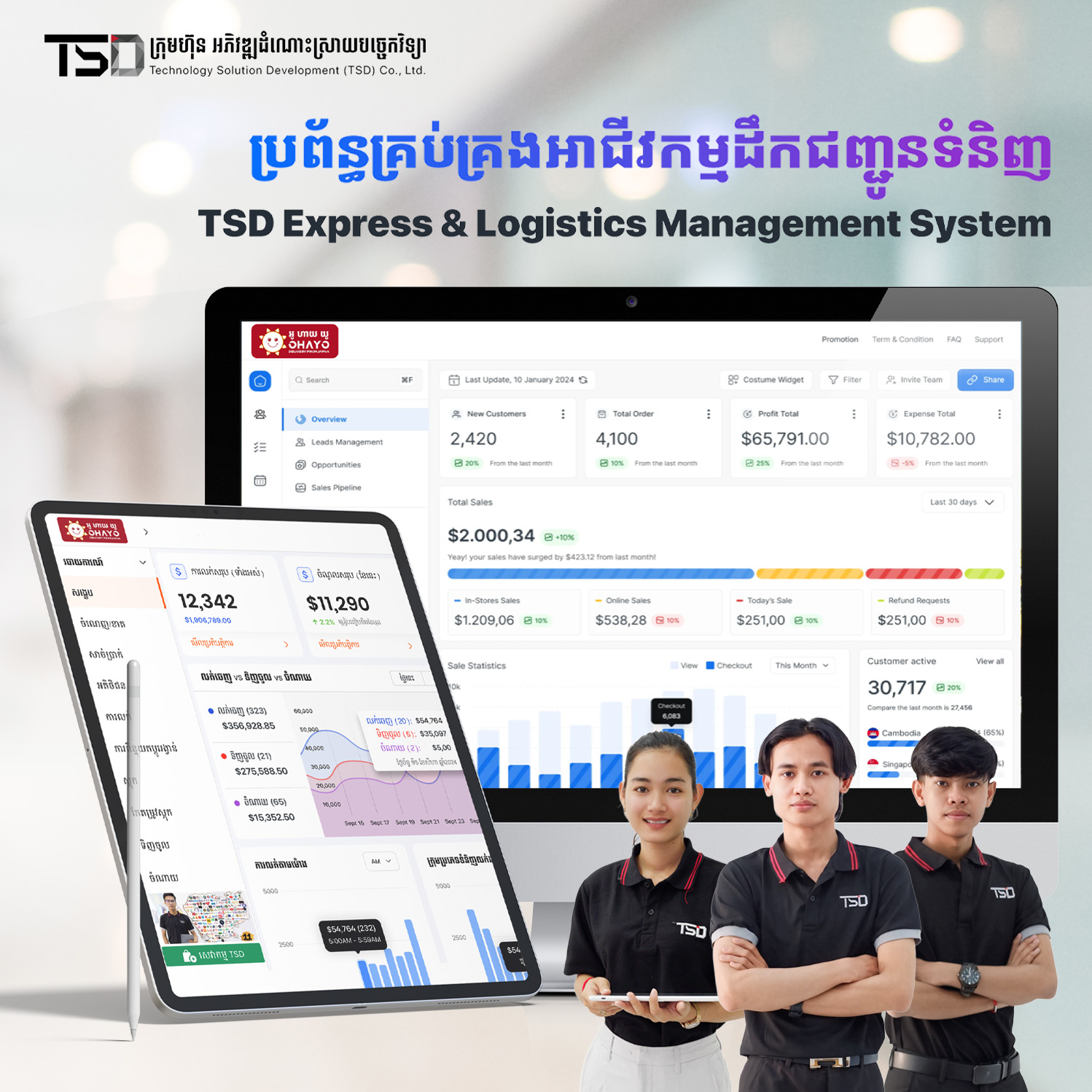
‣ Automate Multi-Currency Tariff Parity: Eliminate manual conversion between Japanese Yen (freight), US Dollars (clearance), and Khmer Riel (collection).
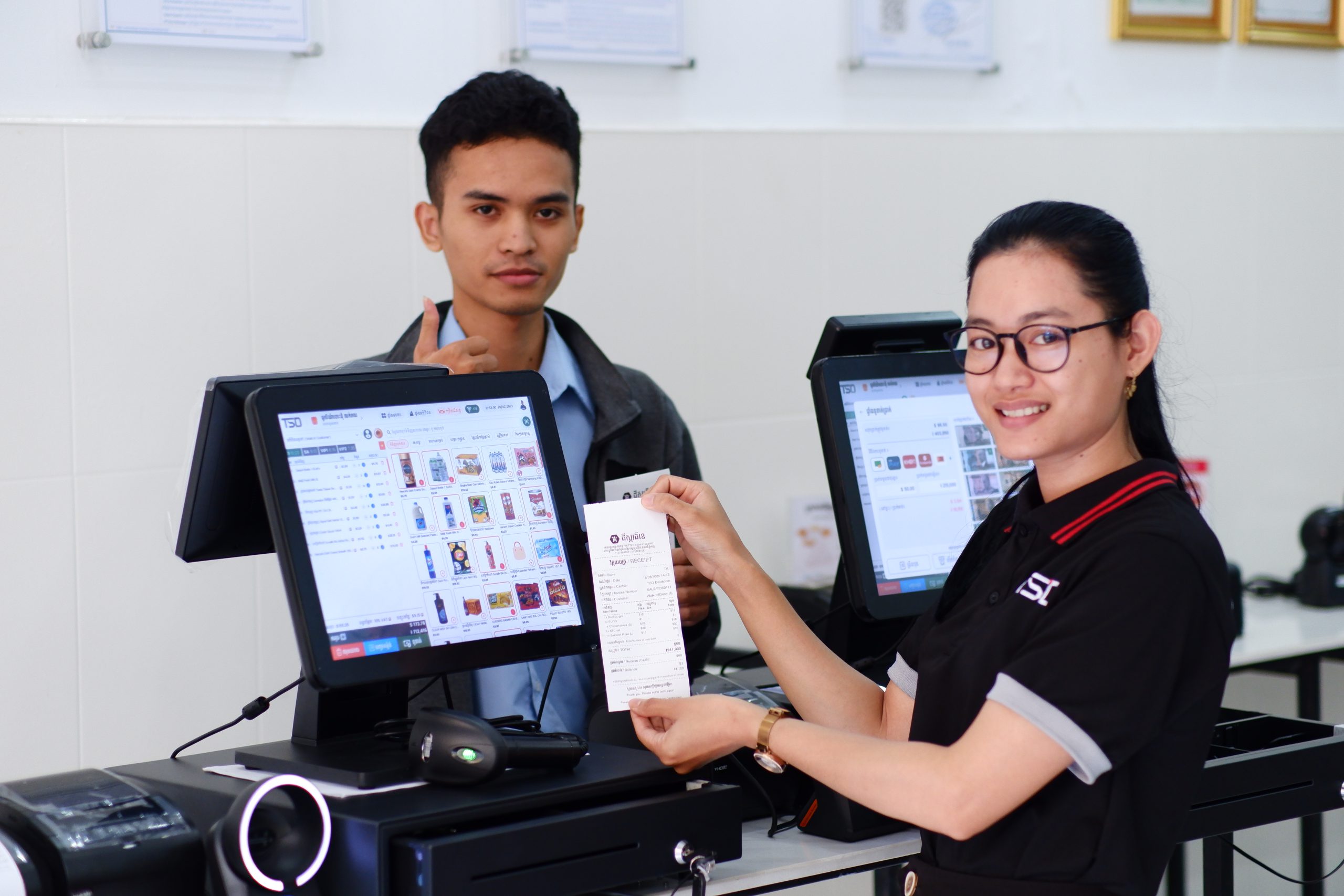
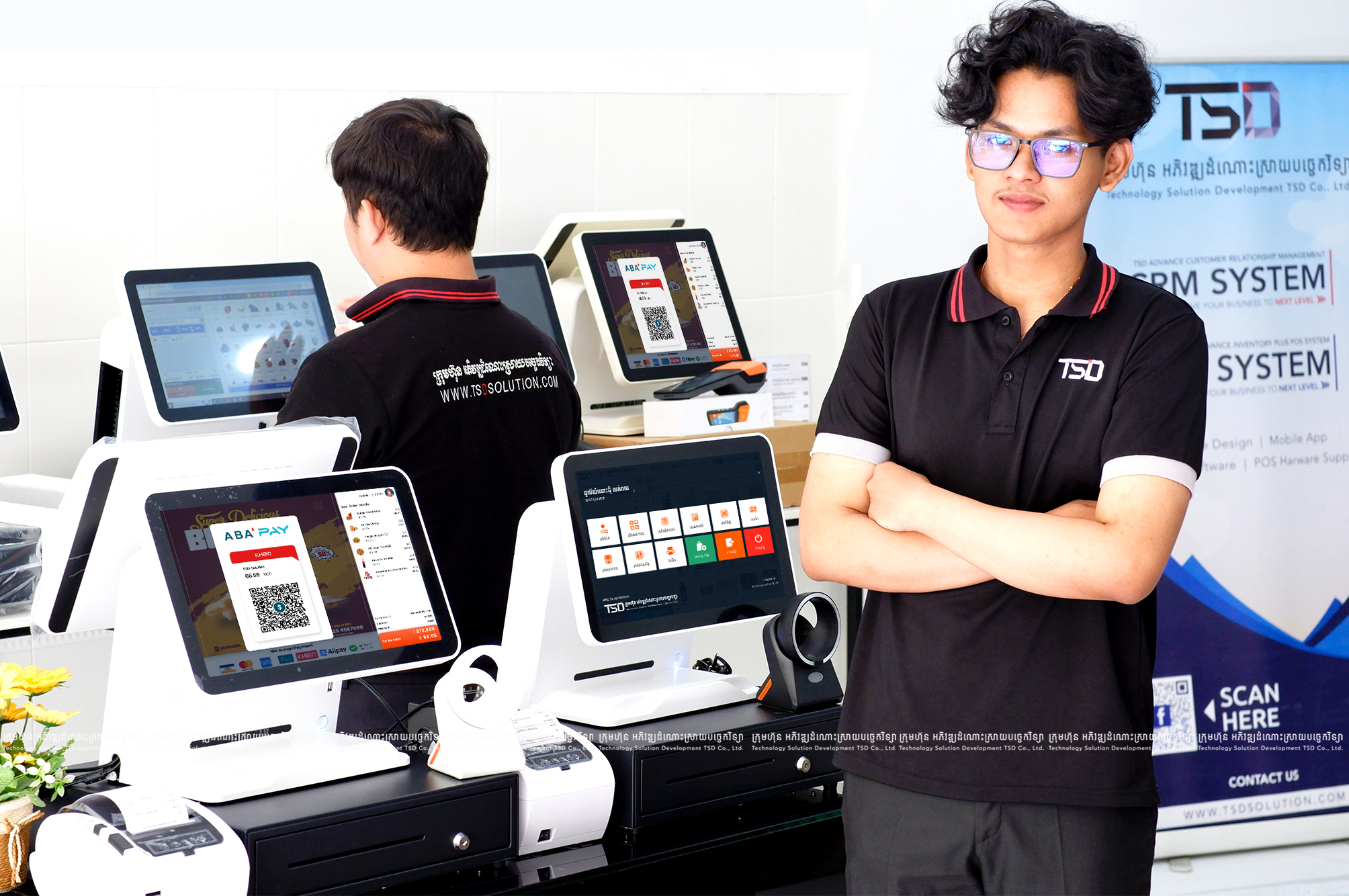
‣ Accelerate Counter Waybill Printing: Deploy industrial direct thermal printers producing standardized barcode shipping labels in under 1.5 seconds.
‣ Achieve 100% Parcel Traceability: Provide consignees with instant automated Telegram and SMS tracking notifications from Tokyo departure to Phnom Penh arrival.
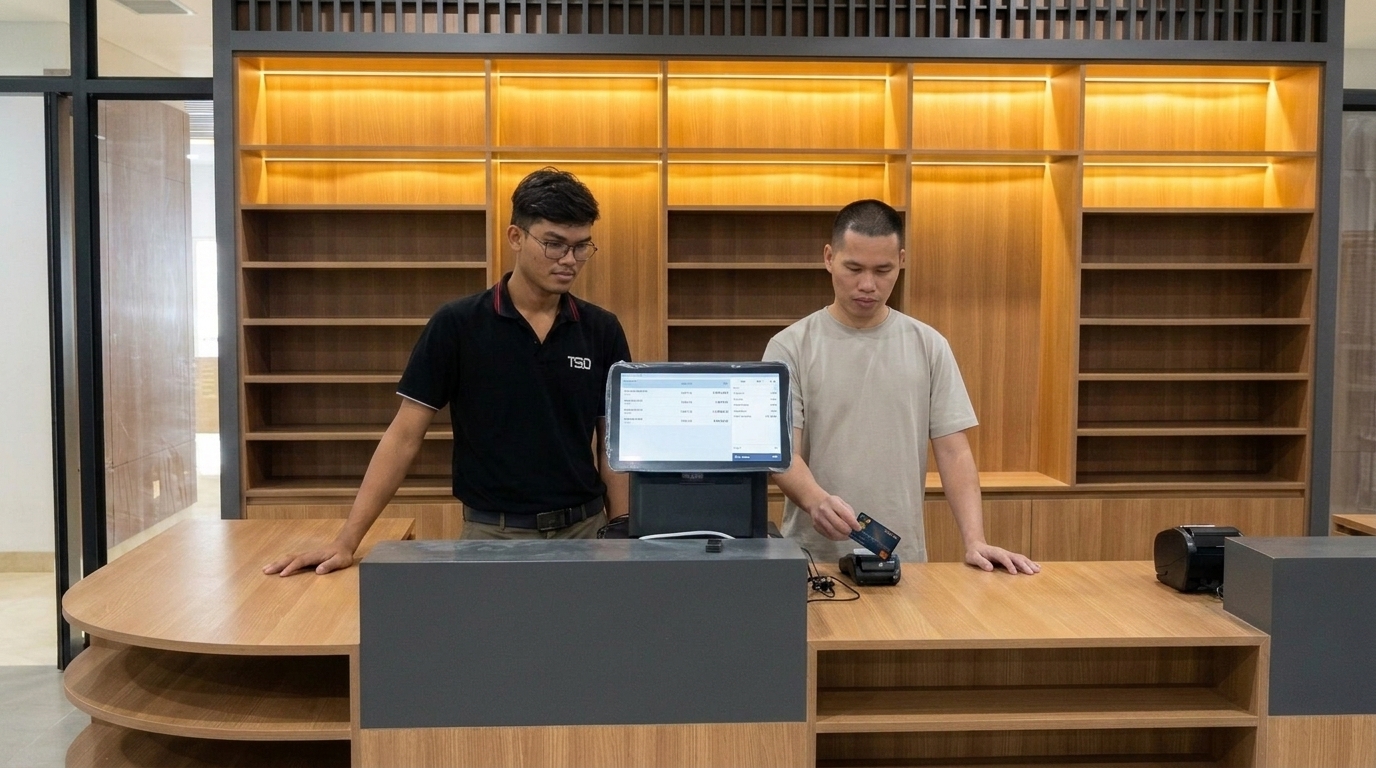
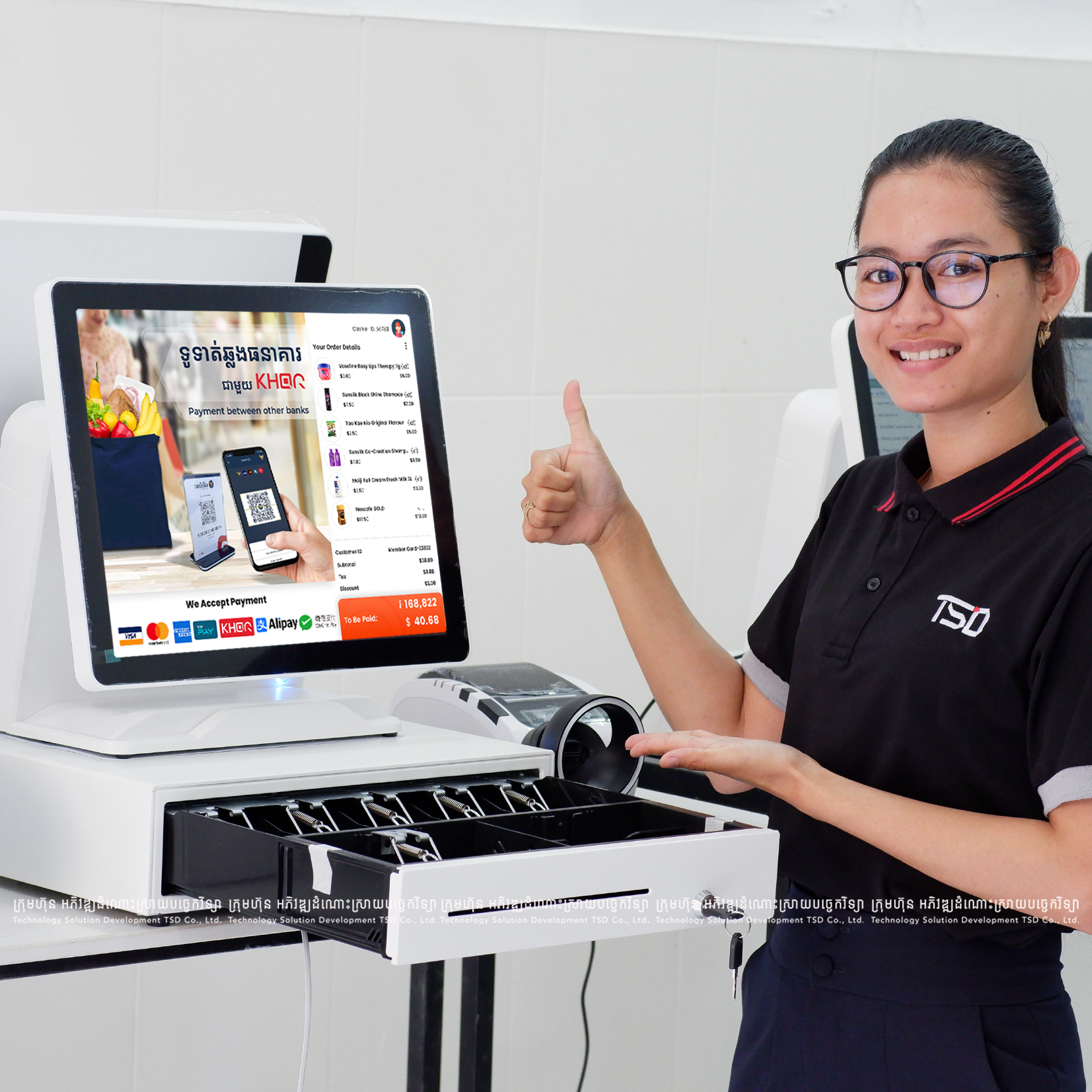
‣ Integrate Cashless KHQR Counter POS: Enable instant Bakong KHQR payment and shift reconciliation to eliminate cashier cash discrepancies.

Key Outcomes
The deployment of Japan Delivery Management System Cambodia established OHAYO Delivery as a premier cross-border freight leader:
Key outcomes include:
‣ Sub-1.5-Second Waybill Turnaround: High-speed optical barcode scanning and thermal label generation cut counter wait times by over 75%.
‣ Zero Cross-Border Lost Parcels: Continuous barcode checkpoints across transit, warehouse intake, and final dispatch achieved 100% tracking transparency.
‣ Flawless Multi-Currency Accounting: Automated JPY/USD/KHR conversions eliminated cash register variances and manual currency recalculation.
‣ 78% Cashless KHQR Adoption: Dynamic Bakong KHQR integration at reception counters significantly accelerated customer package collections.
‣ Nationwide Province Forwarding: Automated dispatch routing labels integrated seamlessly with regional bus lines and provincial delivery partners.
Challenges
Operating high-velocity international air cargo channels between Japan and Cambodia presented complex logistical hurdles:
Key operational challenges included:
‣ Tri-Currency Conversion Headaches: JPY freight rates, USD customs tariffs, and KHR domestic cash handling led to frequent financial calculation errors.
‣ Counter Congestion During Flight Arrivals: Hand-writing manifests and using slow desktop paper printers caused excessive queues during cargo releases.
‣ High Inbound Customer Inquiries: Lack of automated tracking checkpoints forced support staff to field hundreds of manual parcel status calls daily.
‣ Damaged or Illegible Paper Labels: Conventional paper receipts frequently blurred or detached during air cargo transit and humid warehouse handling.
‣ Cash-on-Delivery (COD) Reconciliation Delays: Balancing driver delivery cash collections with counter registers consumed hours of daily accounting labor.