


Objectives
The primary objective was to deploy a resilient, multi-department hospital software architecture tailored for Cambodia's advanced healthcare sector.
The project was engineered to achieve the following core objectives:
‣ Digitize Clinical Medical Records: Transition all paper patient files into centralized, encrypted Electronic Medical Records (EMR) accessible across consultation rooms.
‣ Automate Maternity & Delivery Tracking: Standardize prenatal monitoring, ultrasound archiving, delivery logs, APGAR scoring, and infant vaccination schedules.
‣ Establish Real-Time Bed Telemetry: Deploy a visual Inpatient Department (IPD) bed management console tracking occupancy, room classes, and daily nursing care.
‣ Integrate Dispensary & FEFO Pharmacy Control: Automate digital prescription fulfillment with lot-number expiration alerts and real-time inventory deductions.
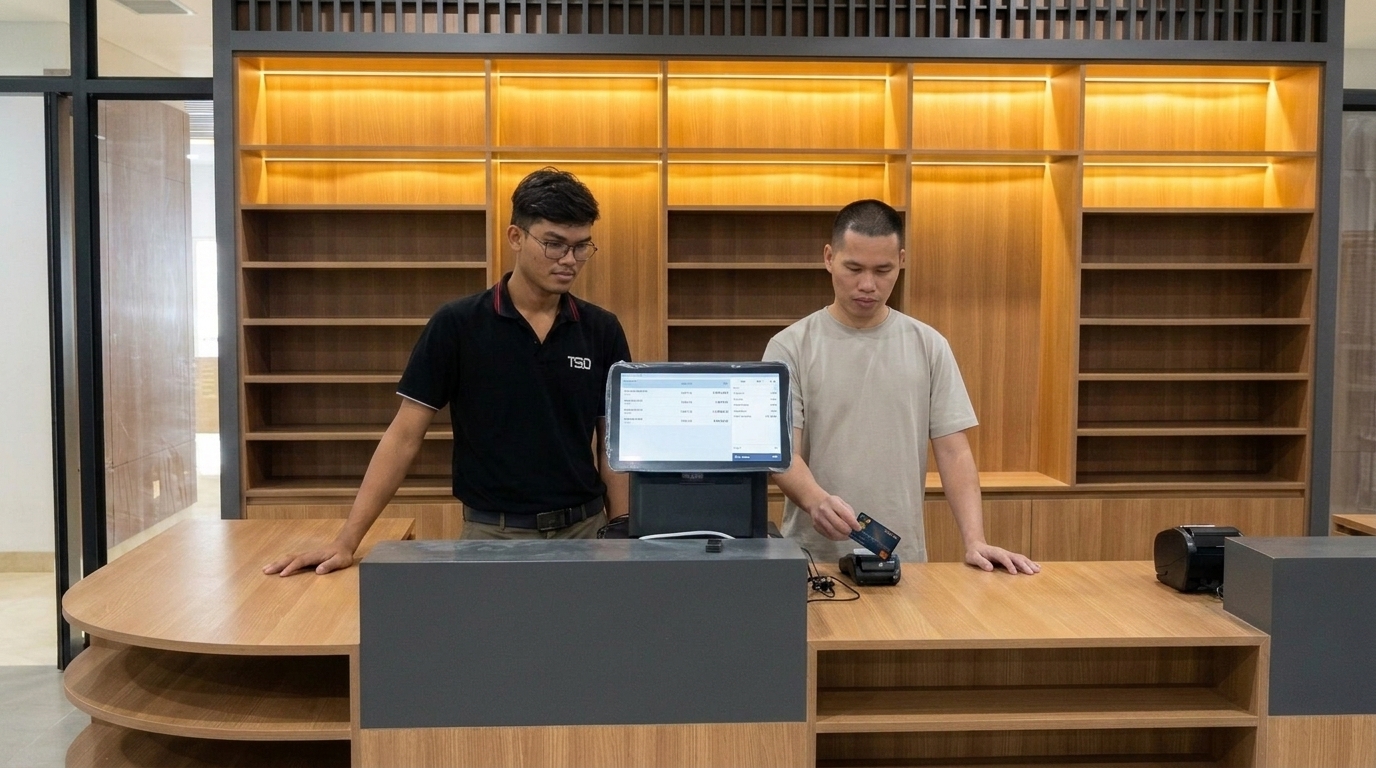
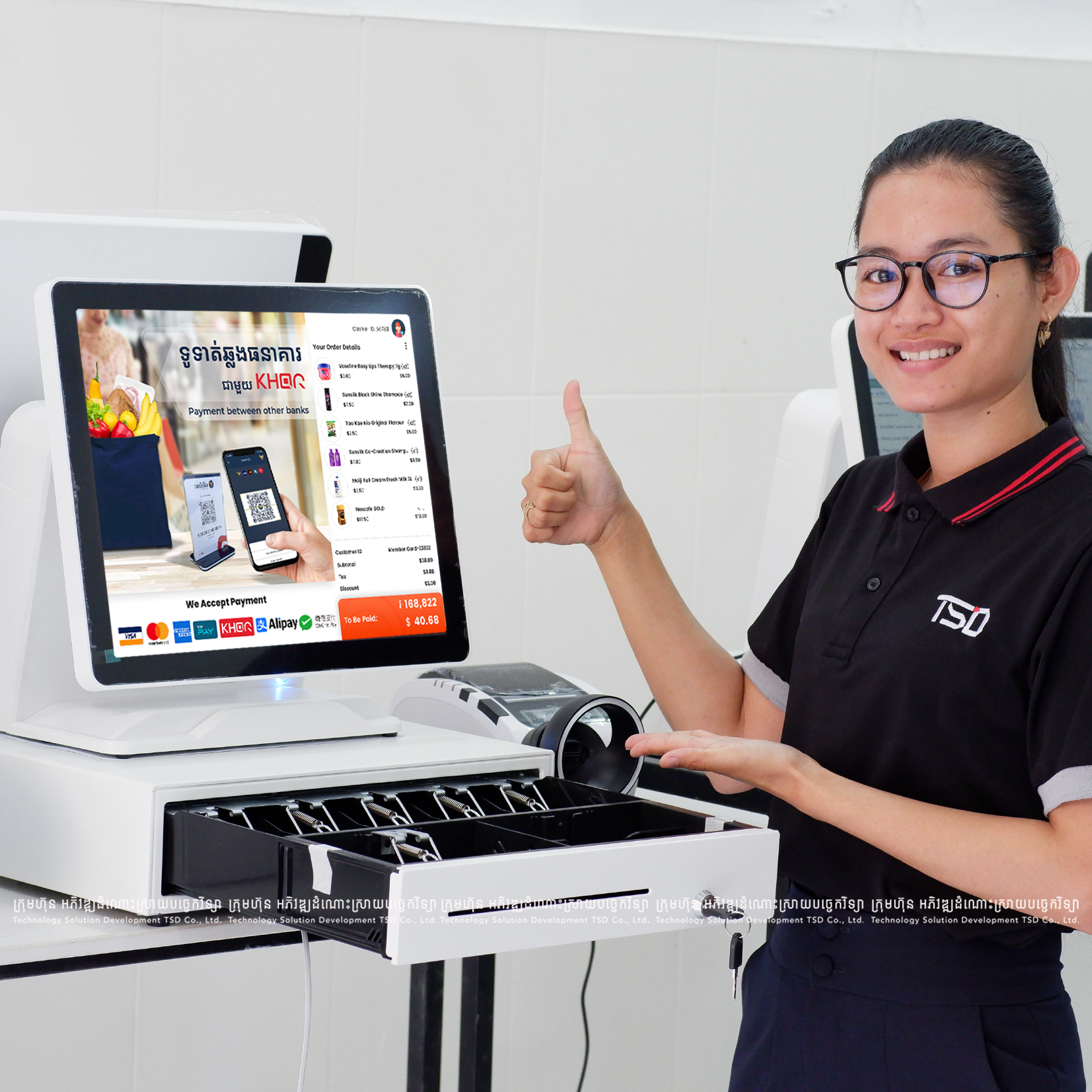
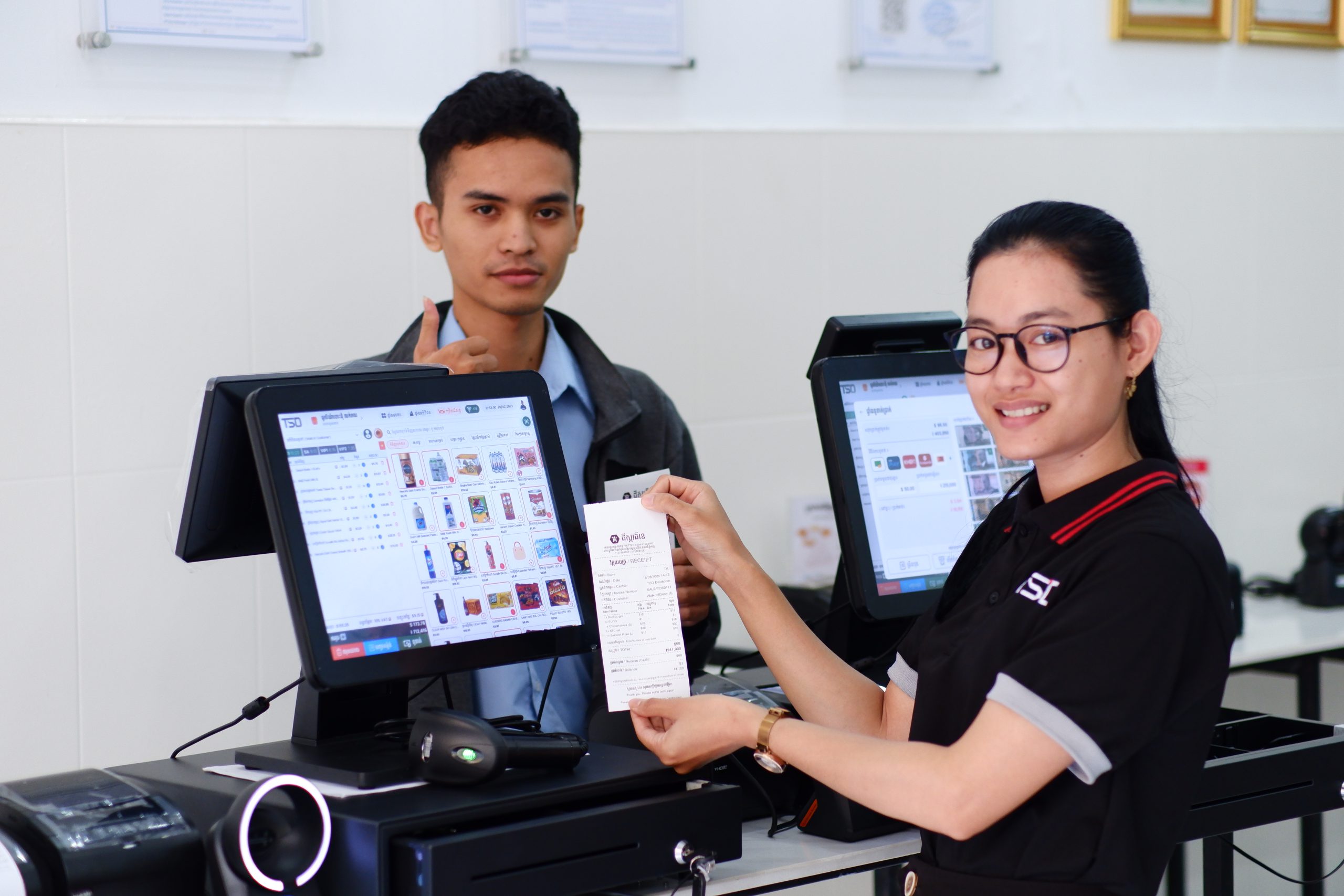
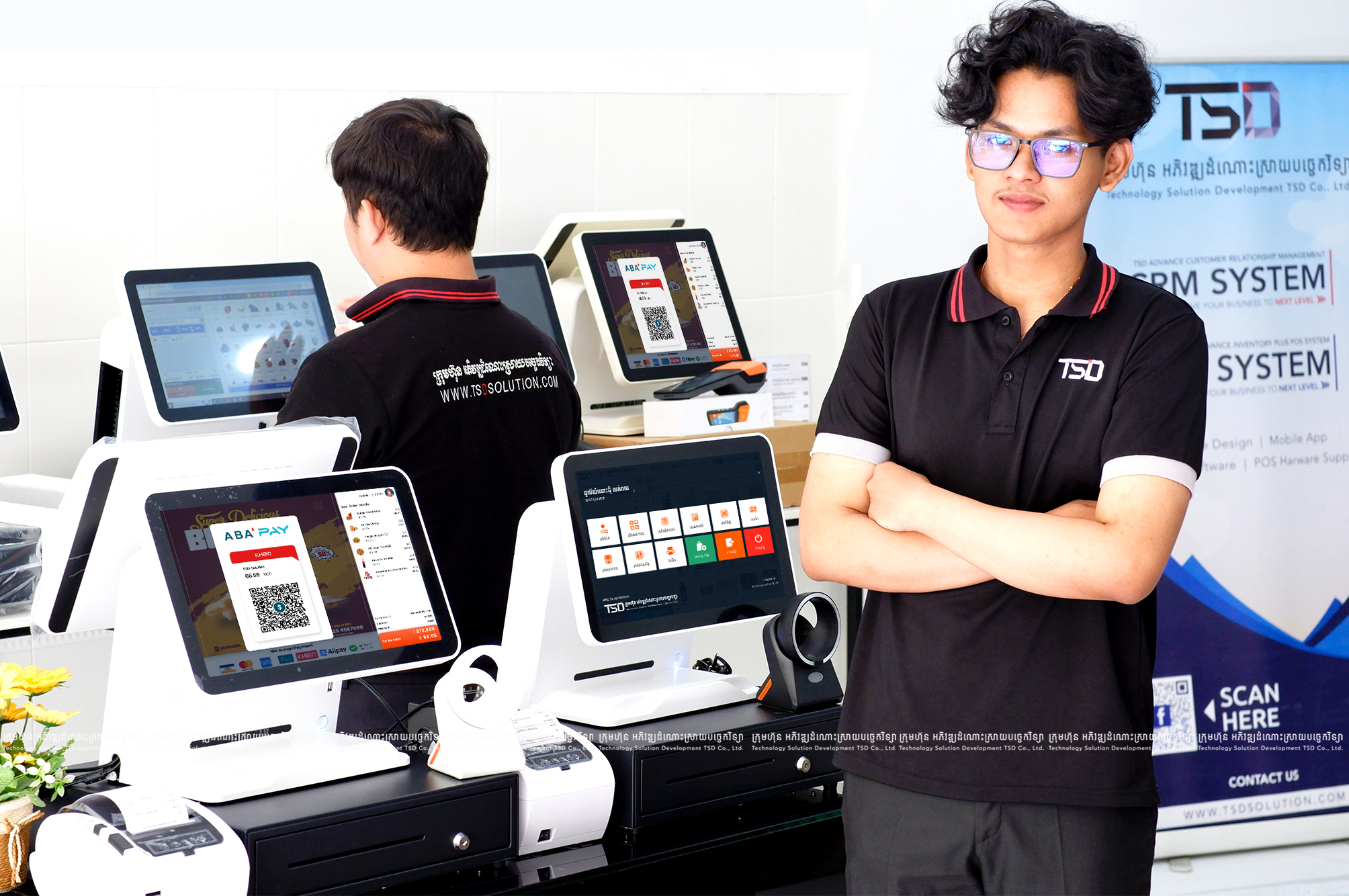
‣ Accelerate Multi-Counter Cashier Billing: Install modern touchscreen POS terminals generating dynamic ABA PAY KHQR codes for sub-3-second cashless settlement.


Key Outcomes
The deployment of Smart Hospital Management System Cambodia modernized Julie & Chetra Maternity's clinical and administrative performance:
Key outcomes include:
‣ 100% Digital Patient History: Instant retrieval of previous diagnoses, lab reports, and medication histories during outpatient doctor consultations.
‣ Flawless Discharge Reconciliation: Inpatient discharge billing time was reduced from 45 minutes of manual auditing to under 3 minutes per patient.
‣ Zero Pharmacy Dispensing Leakage: Enforced first-expired-first-out (FEFO) dispensing rules and prescription locking eliminated unauthorized medicine release.
‣ 92.4% Cashless KHQR Settlement: High patient adoption of dynamic ABA PAY KHQR payments accelerated reception counter throughput significantly.
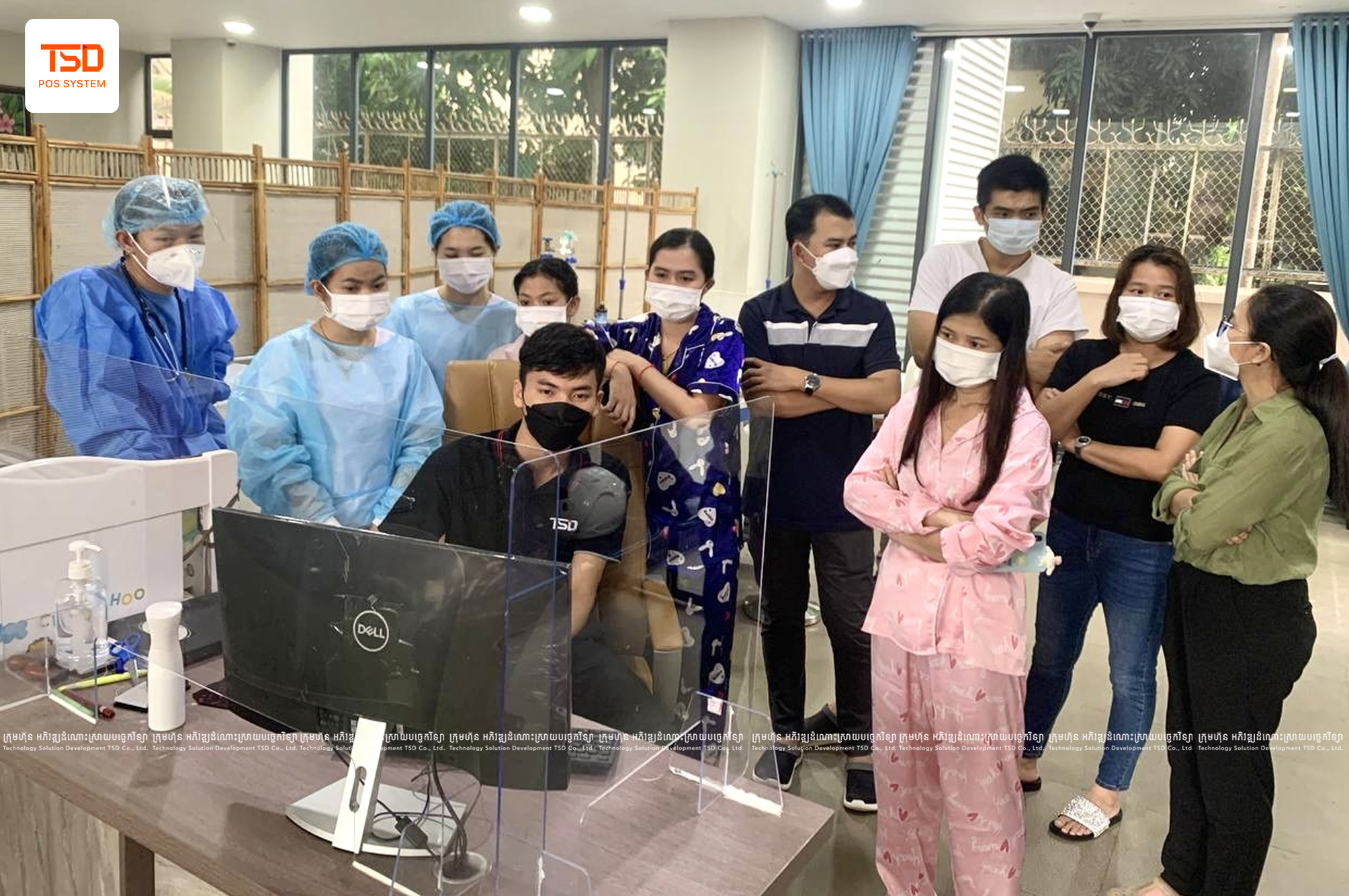
‣ High Medical Staff Adoption: Complete digital empowerment of obstetricians, midwives, nurses, and cashiers supported by 24/7 technical assistance.
Challenges
Managing a high-traffic maternity and multi-specialty medical facility presented complex clinical and administrative hurdles:
Key operational challenges included:
‣ Scattered Paper Patient Folders: Physical files frequently delayed consultations during peak morning hours and risked losing historic lab results.
‣ Opaque Inpatient Bed Occupancy: Admitting emergency patients required phone calls between wards, delaying room allocation for expectant mothers.
‣ Disconnected Pharmacy & Invoicing: Handwritten prescriptions caused pharmacy dispensing bottlenecks and occasional billing discrepancies upon discharge.
‣ Multi-Specialty Coordination Friction: Seamlessly synchronizing doctors, lab technicians, ultrasound operators, and midwives required manual messenger handoffs.
‣ Counter Congestion During Checkout: Lengthy invoice calculation for multi-day inpatient stays created stressful queuing for recovering patients.