
Objectives
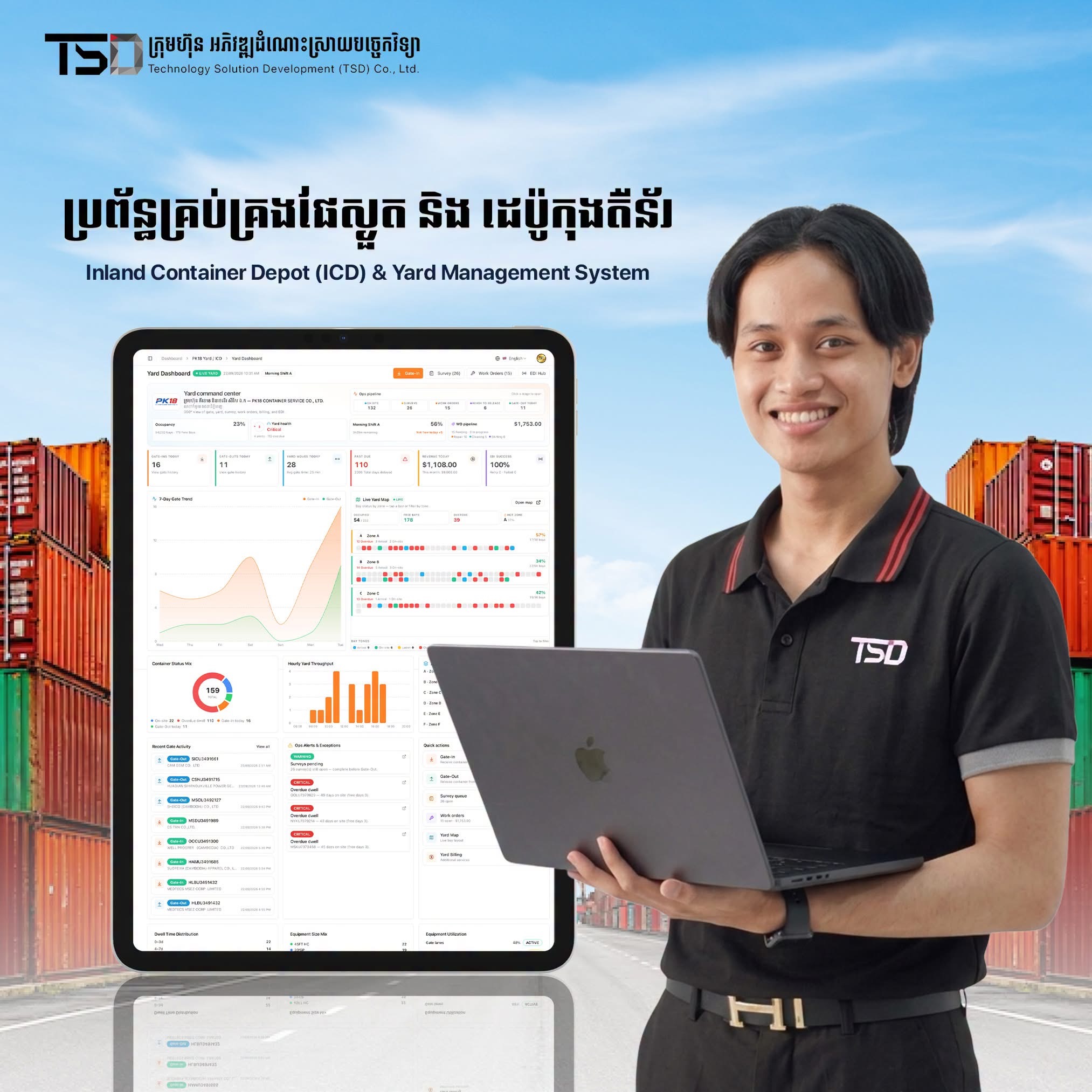
The primary objective was to create a specialized digital platform capable of controlling PK18's depot operations from the arrival of a container through its inspection, yard activities, services, financial settlement, and release.
The platform was designed to achieve the following objectives:
‣ Digitize and standardize the complete container visit and yard management lifecycle.
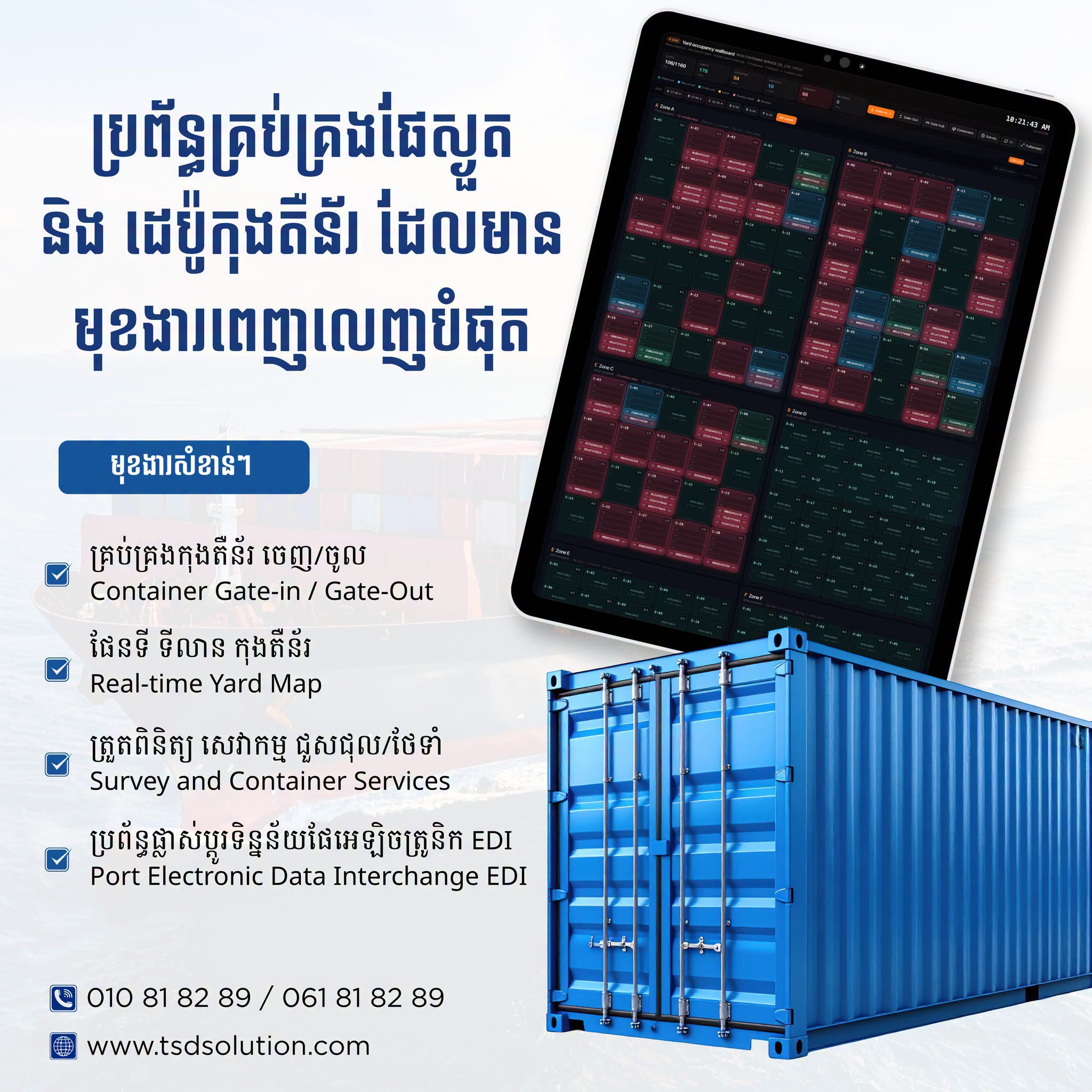
‣ Improve visibility of container locations, yard capacity, dwell, inspections, and operational status.
‣ Connect depot services and work orders with billing, costing, A/R, and profitability information.
‣ Improve management visibility through consolidated operational and financial reports.
‣ Establish a scalable foundation for future EDI and shipping-line system integration.

Key Outcomes
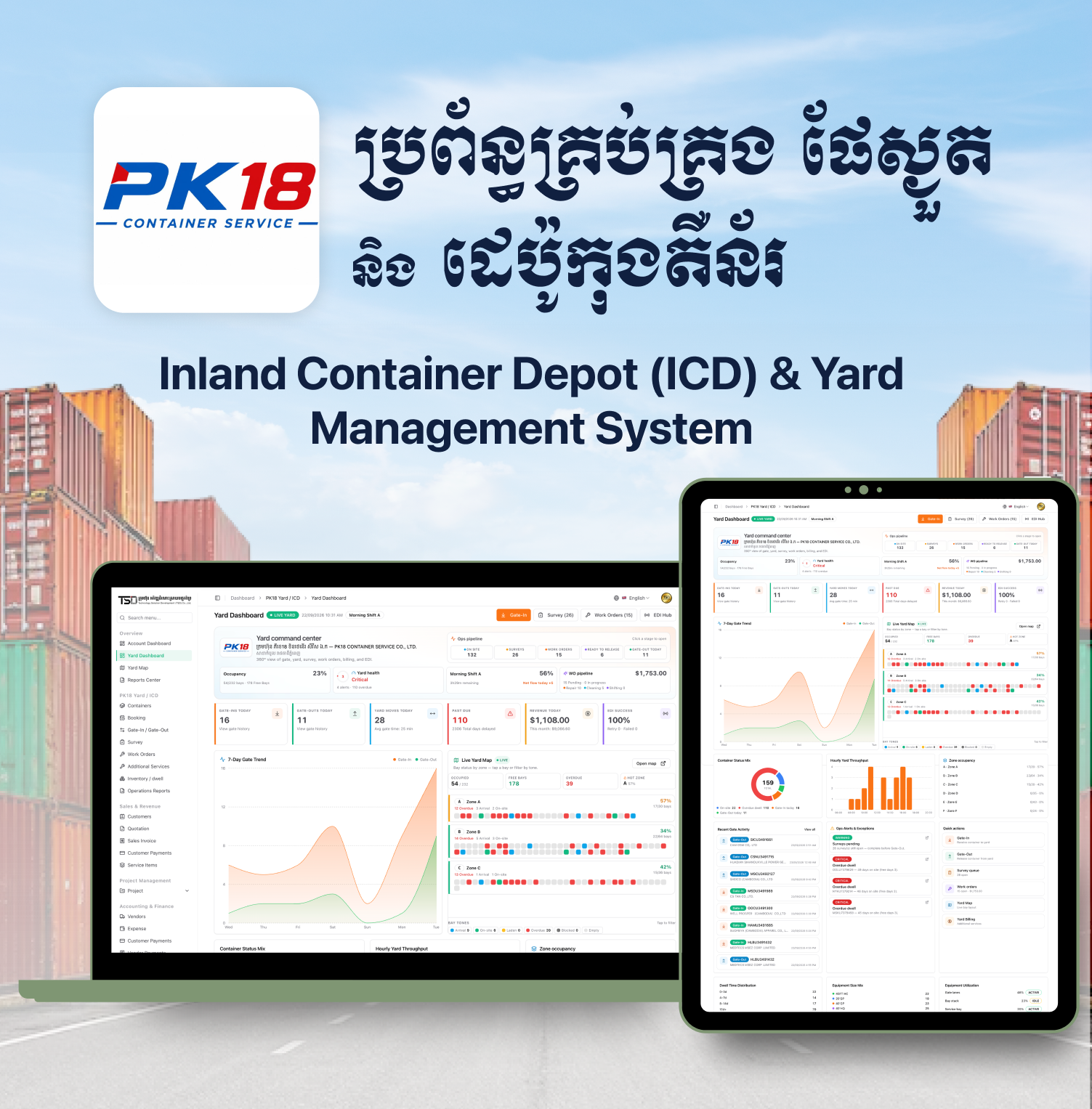
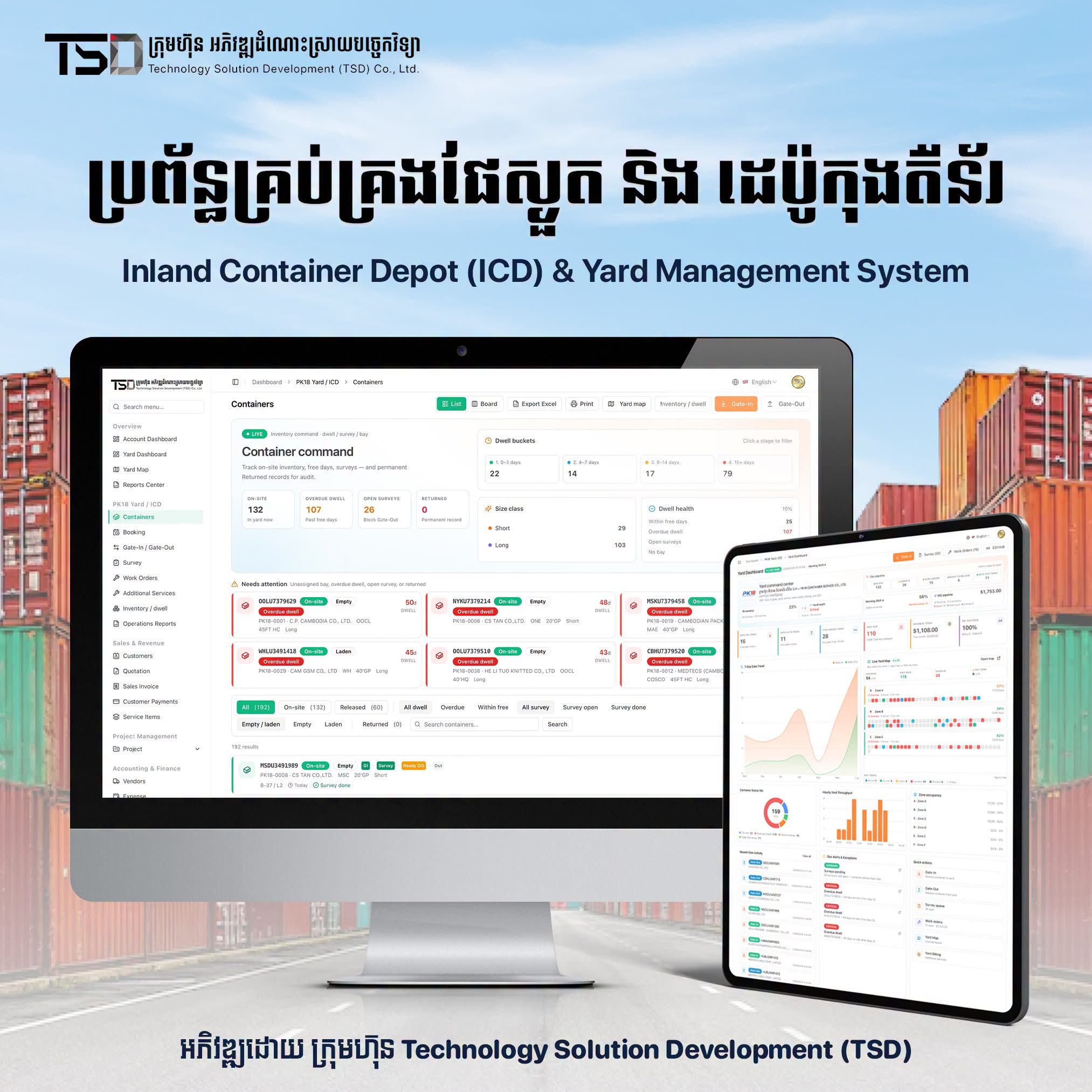
The completed Inland Container Depot Software brings PK18's core depot and yard operations together through a structured digital platform designed around the complete container visit lifecycle.
Key outcomes include:
‣ Centralized Gate-In, Gate-Out, inspection, yard, service, billing, and reporting workflows.
‣ Live visibility of yard zones, bays, container positions, movements, and dwell information.
‣ Integrated repair, cleaning, shifting, labor, material, quotation, billing, and margin tracking.
‣ USD/KHR financial visibility with tariffs, customer A/R, payments, statements, and operational reporting.
‣ Structured EDI capabilities and an extensible foundation for future shipping-line integrations.
Challenges
Inland Container Depot Software was required to help PK18 Container Service Co., Ltd. manage critical depot and yard operations through one centralized digital platform.
The solution needed to connect gate operations, container inspections, yard positioning, repair services, billing, accounts receivable, reporting, and operational workflows while remaining practical for Cambodian depot operations.
Key challenges included:
‣ Replacing fragmented manual processes, spreadsheets, and disconnected operational information with one centralized system.
‣ Managing Gate-In, Gate-Out, container inspections, yard locations, dwell status, and container movement in a connected workflow.
‣ Managing repair, cleaning, shifting, labor, materials, service costs, quotations, billing, and profitability.
‣ Supporting shipping-line tariffs, dual-currency USD/KHR operations, customer accounts, and financial reporting.
‣ Preparing the platform for structured EDI workflows and future integration with shipping-line communication systems.