
Objectives
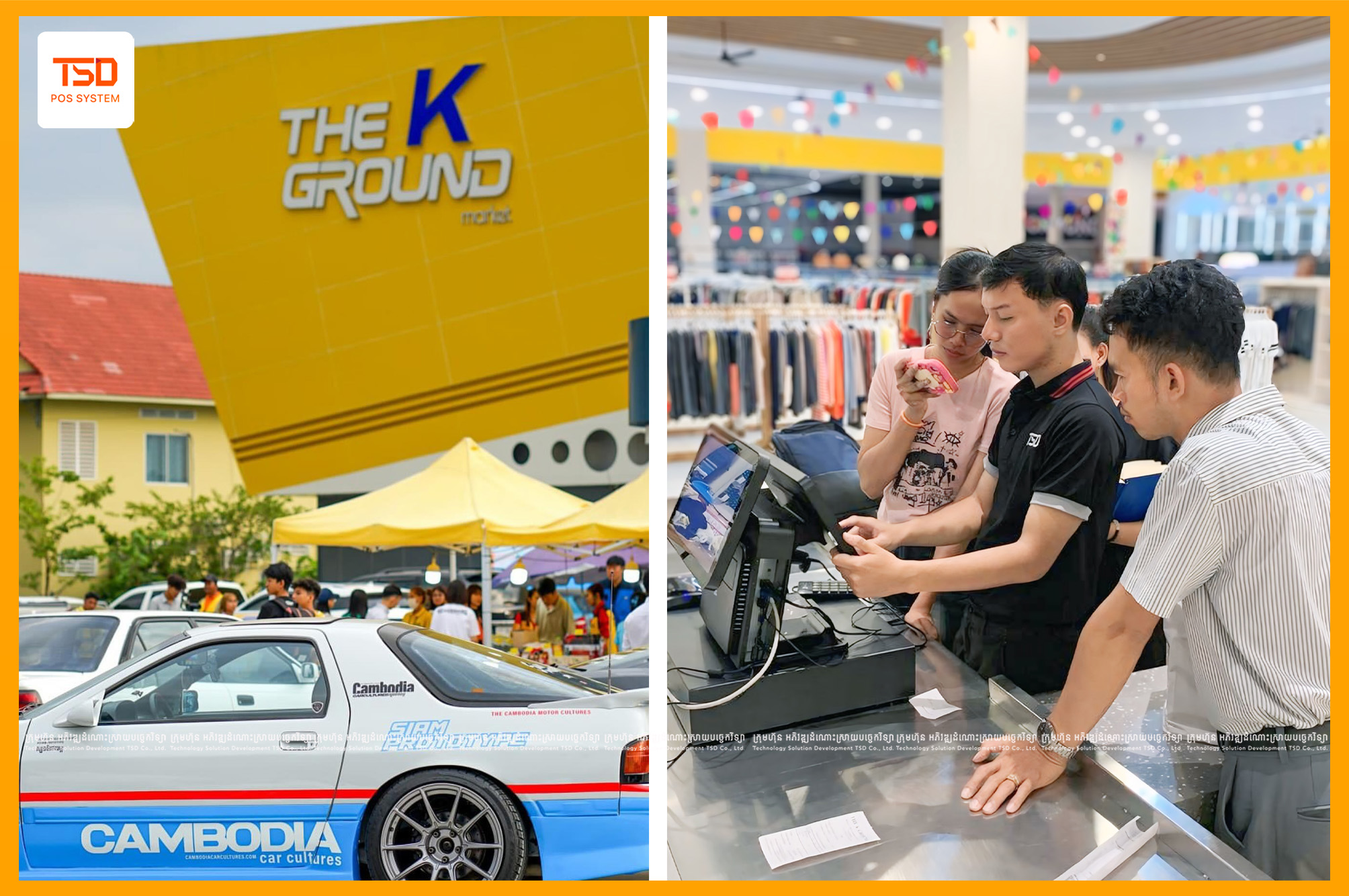
The primary objective was to deploy a high-availability, industrial-grade retail POS infrastructure across THE K GROUND's 13-store network in Cambodia.
The project was engineered to achieve the following core objectives:
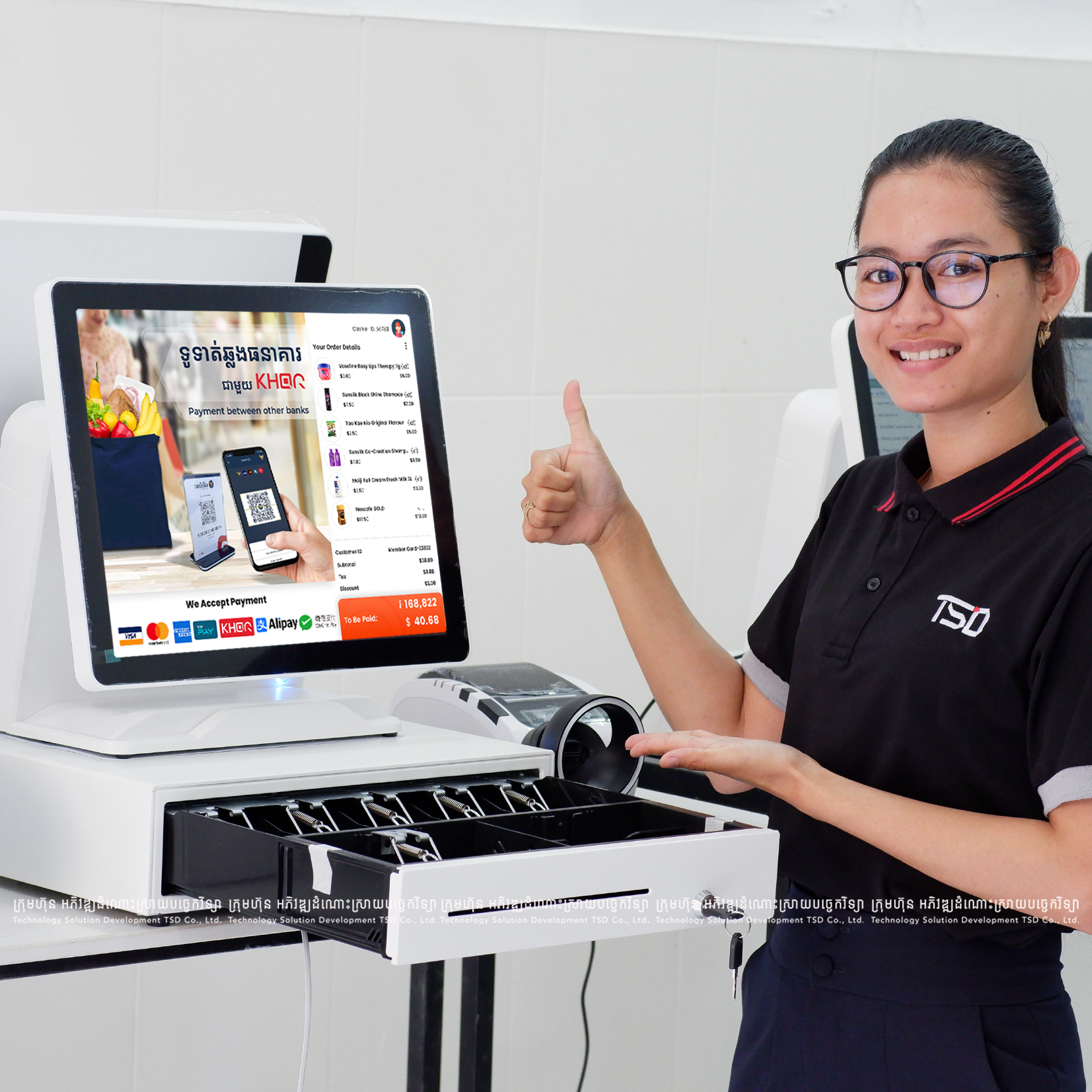
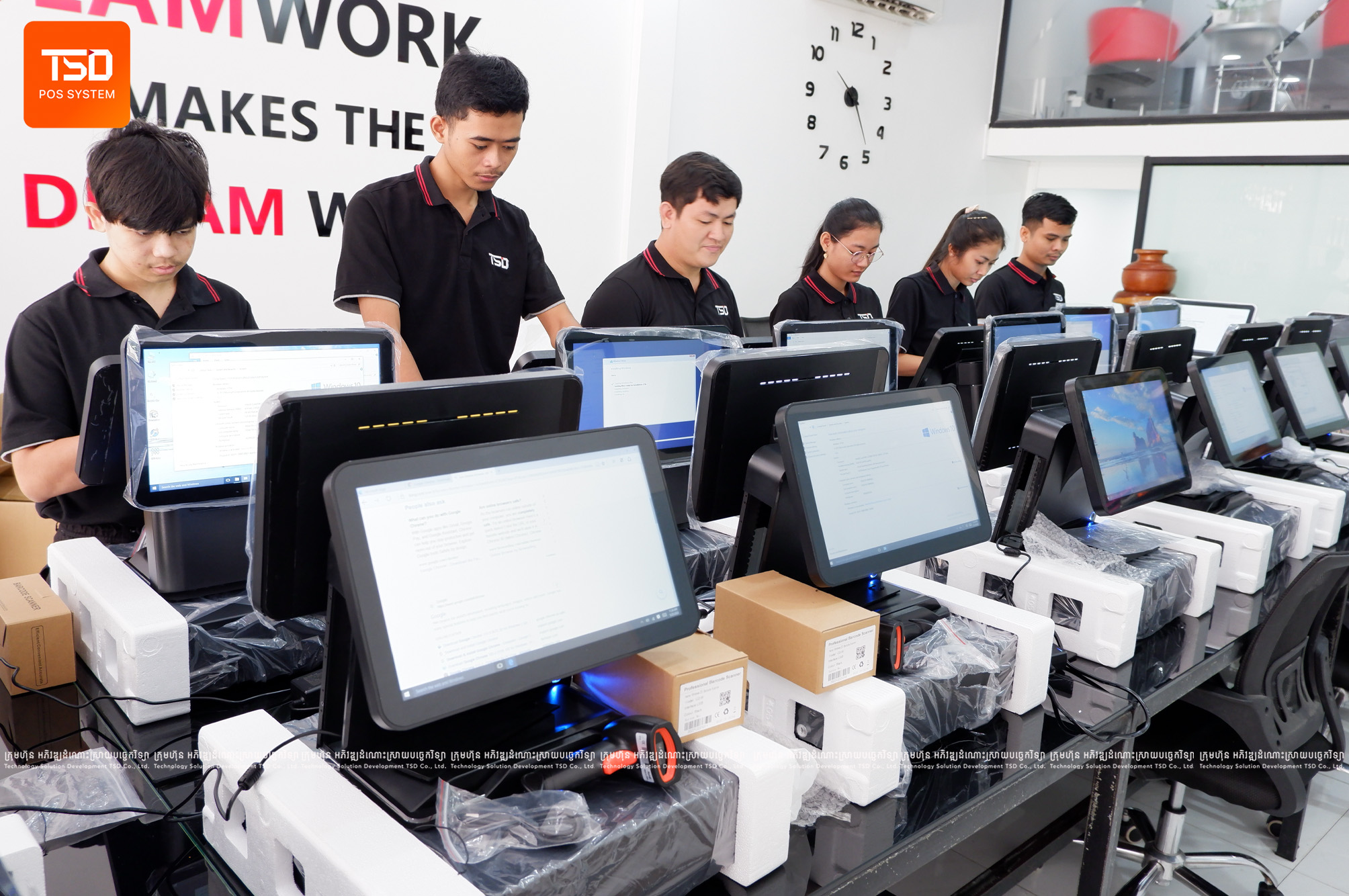
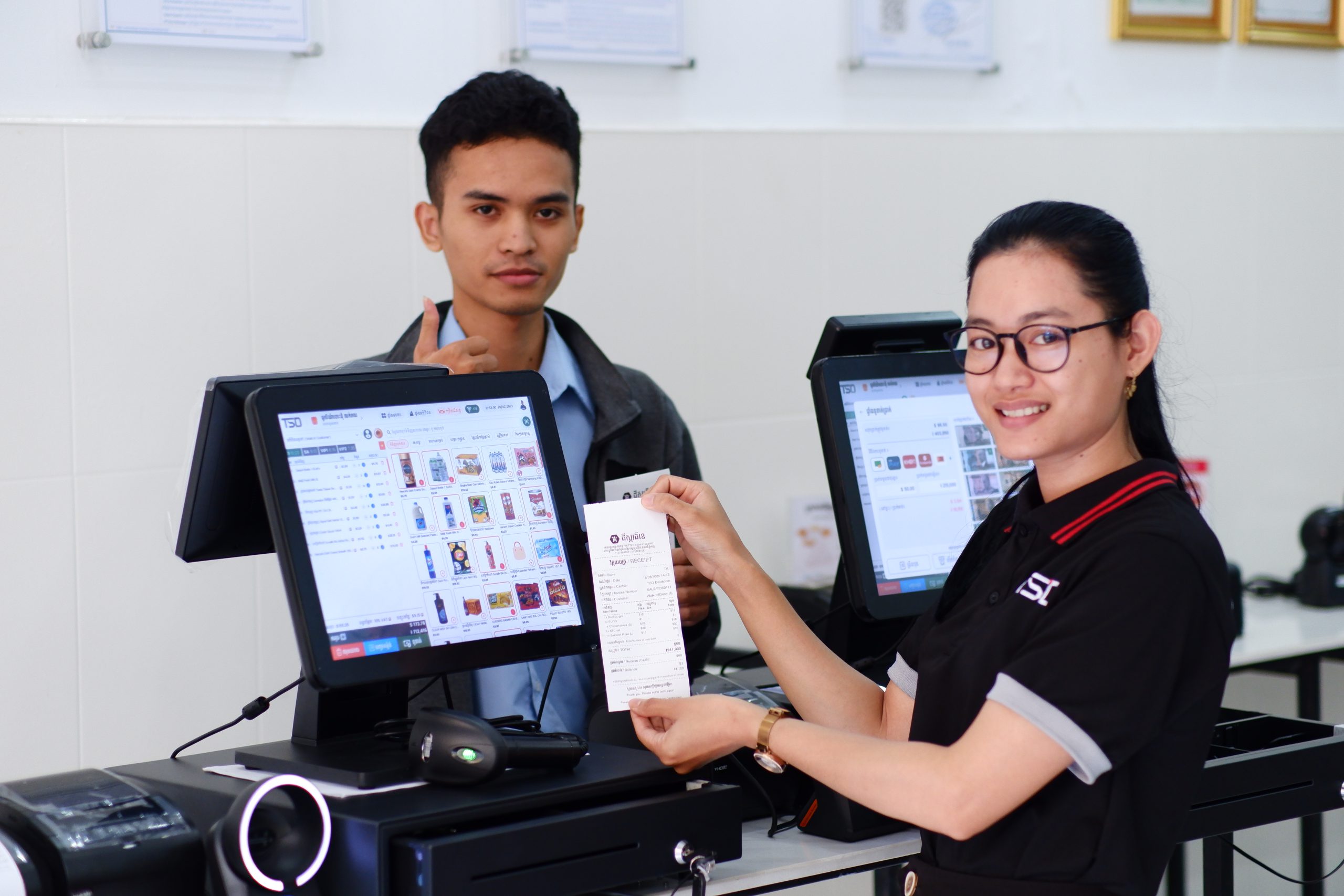
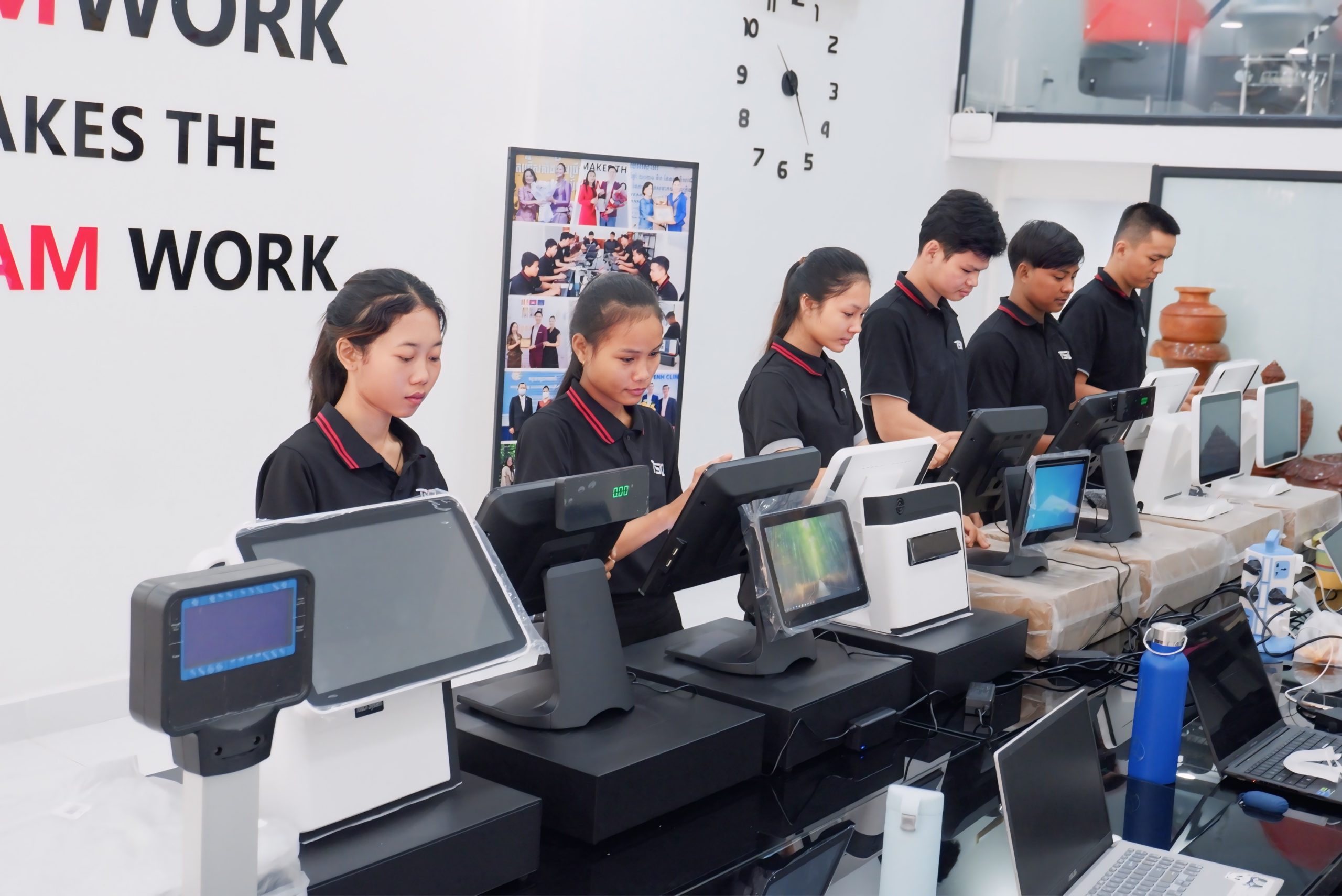
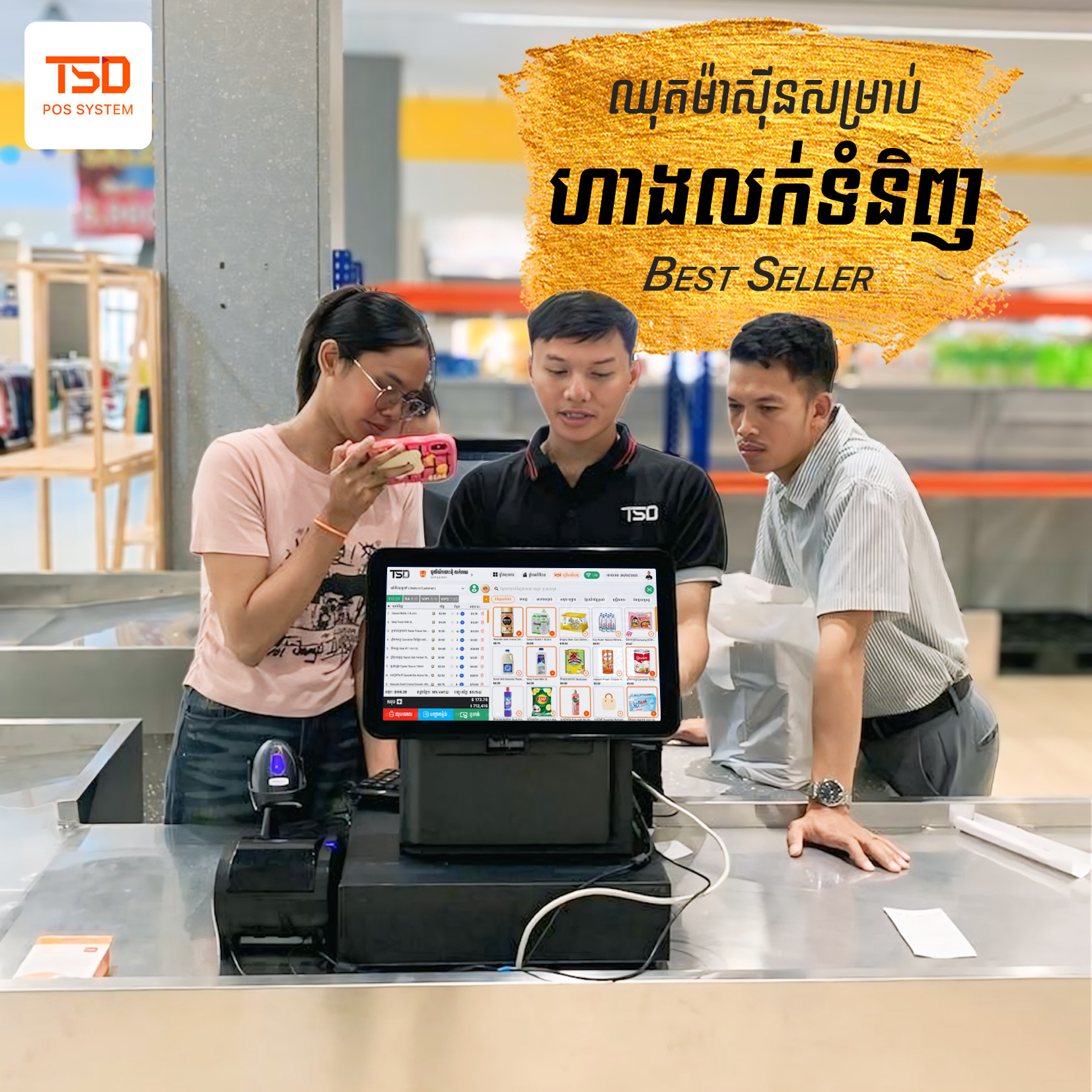
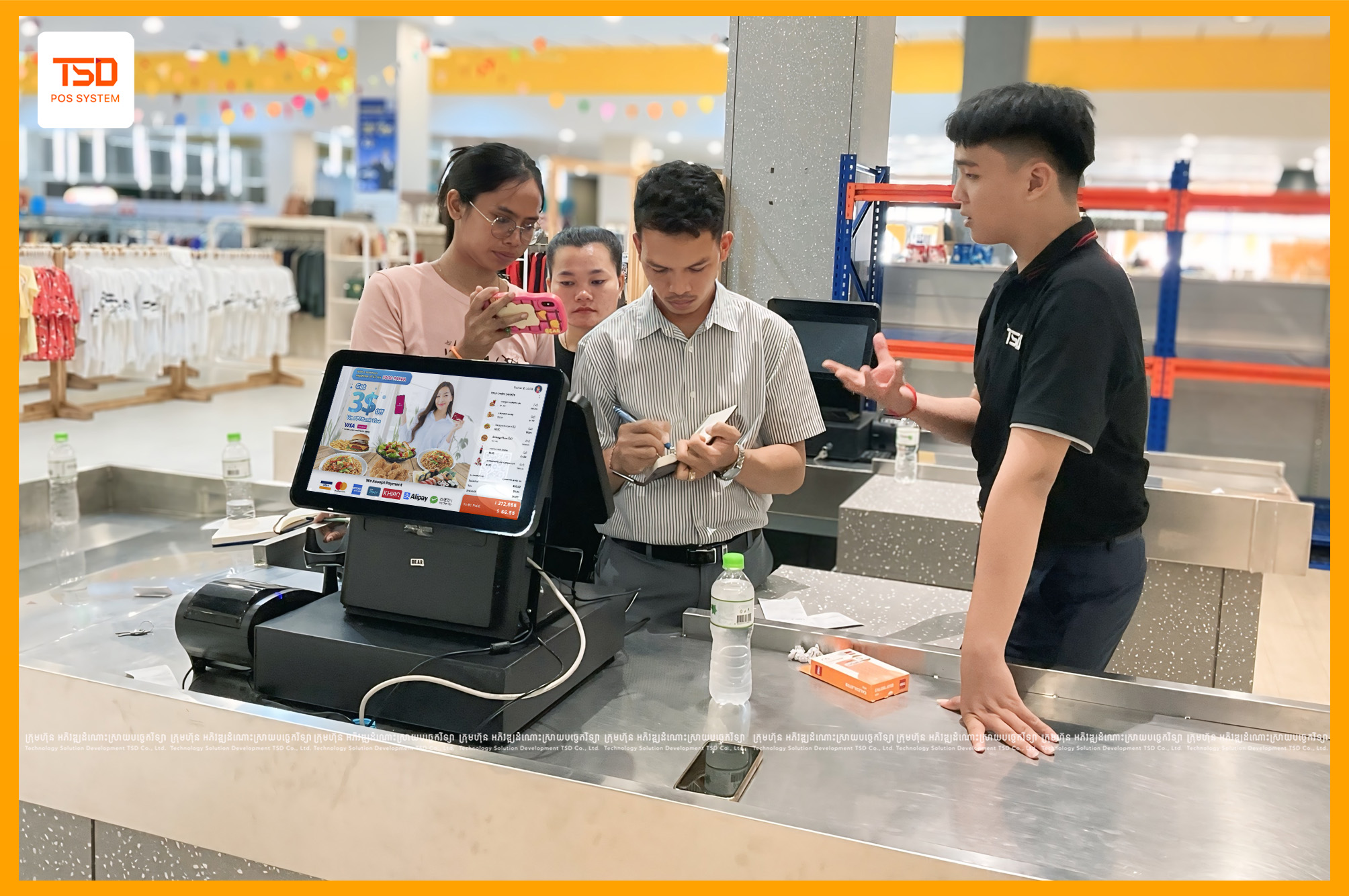
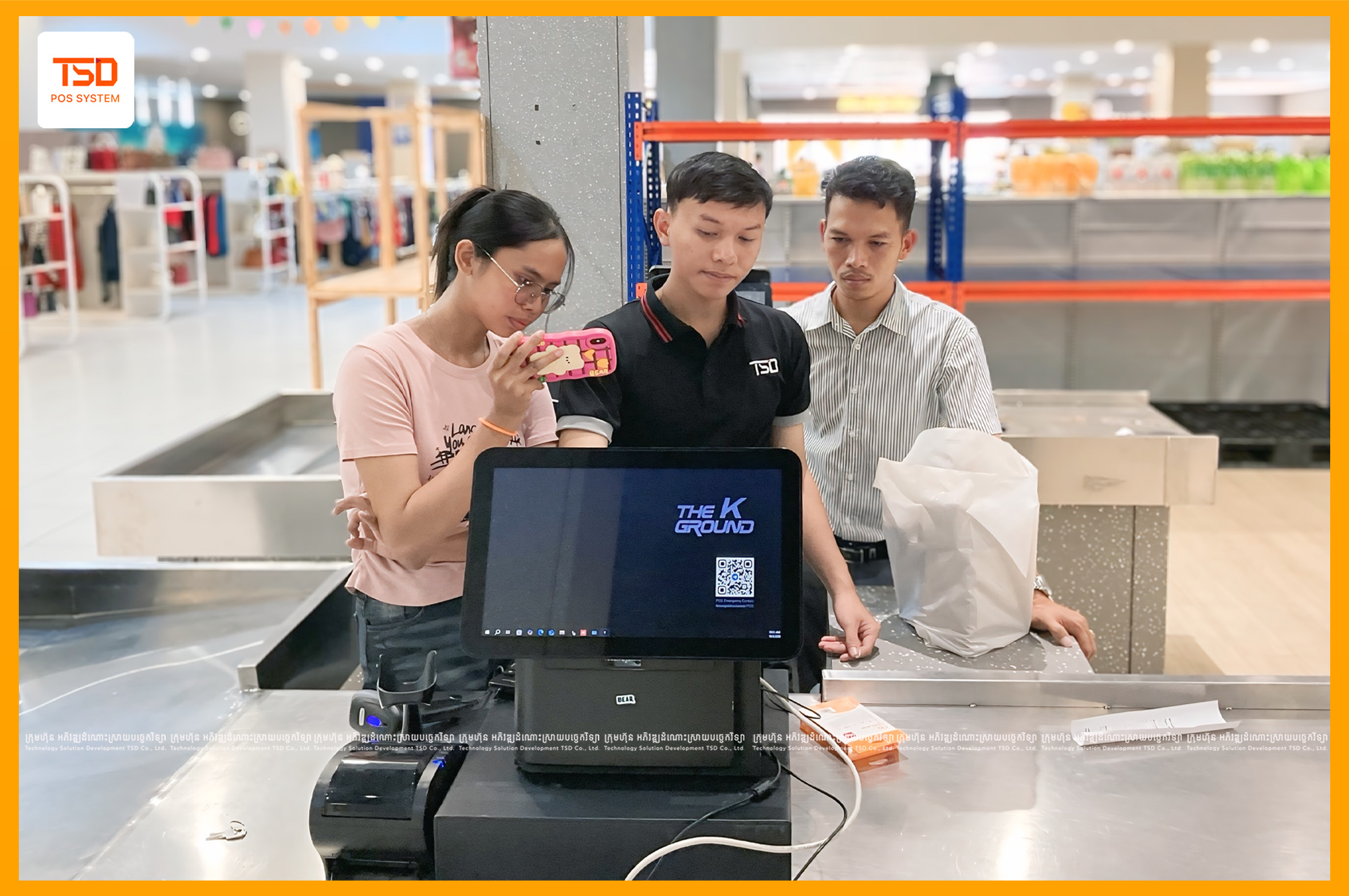
‣ Accelerate High-Traffic Cashier Checkout: Deploy 25+ dual-screen touch terminals equipped with high-speed barcode scanners and thermal printers.
‣ Eliminate Foreign Bank Settlement Friction: Integrate native dynamic QR settlement for Shinhan Bank, Woori Bank, and IBK alongside Bakong KHQR.
‣ Unify Multi-Format Business Lines: Consolidate supermarkets, convenience marts, golf bays, children's playgrounds, and F&B dining under one database.
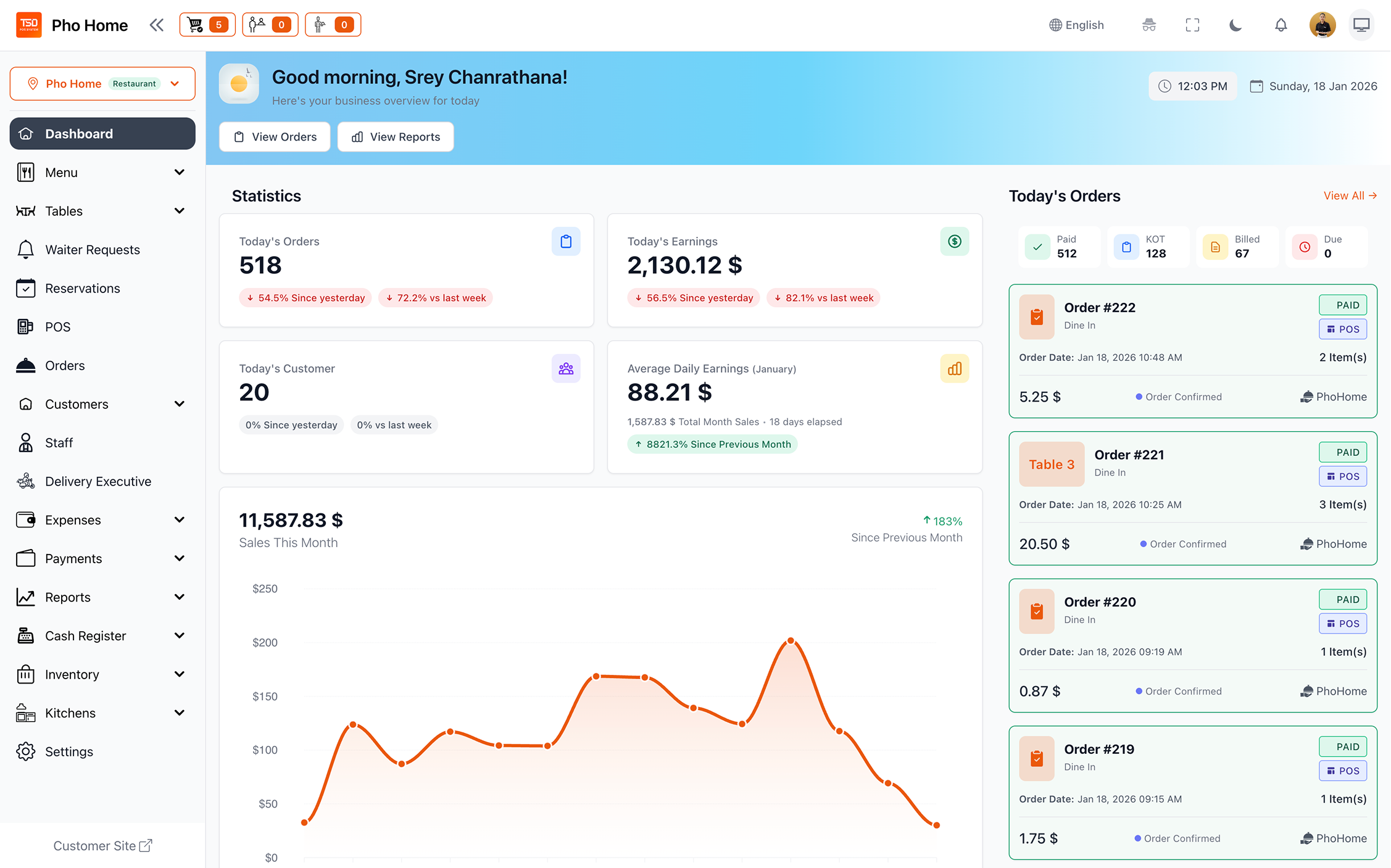
‣ Automate Real-Time Multi-Branch Inventory: Synchronize stock decrementing across 13 locations with microsecond cloud latency.
‣ Digitize Aisle Stock Auditing: Equip warehouse and floor personnel with smart wireless handheld barcode terminals for paperless audits.
Key Outcomes
The enterprise deployment of Korean Supermarket POS System Cambodia established new operational standards across THE K GROUND:
Key outcomes include:
‣ 75% Reduction in Stock Count Duration: Handheld barcode terminals replaced manual paper logs, eliminating mandatory store closures for audits.
‣ 100% Cashless Foreign Bank Match: Korean expatriates and tourists pay seamlessly via their home banking apps with instant POS screen confirmation.
‣ Sub-5-Second Cashier Turnaround: High-speed capacitive screens and automated change calculation reduced peak customer wait times drastically.
‣ Single Centralized SKU Master: Over 35,000 Korean imported food, beverage, and household SKUs updated centrally in seconds nationwide.
‣ Zero Register Discrepancies: Strict Shift-In and Shift-Out cash drawer reconciliation protocols eliminated unaccounted cash leakages.
Challenges
Operating expansive supermarket complexes combined with diverse entertainment and dining facilities posed severe management challenges:
Key operational challenges included:
‣ Peak-Hour Register Bottlenecks: Surging customer volume across 13 locations resulted in long cashier queues with standard cash registers.
‣ Multi-Store Inventory Blind Spots: Disconnected branch stock registries created stockouts of popular imported Korean goods and untracked wastage.
‣ Foreign Payment Barriers: Korean patrons encountered payment friction without direct integration into South Korean commercial bank gateways.
‣ Commercial Format Fragmentation: Managing golf bays, buffets, retail marts, and playgrounds on disconnected point solutions caused high overhead.
‣ Labor-Intensive Stock Audits: Manual paper stock counting consumed extensive staff hours and frequently produced inaccurate inventory records.