
Objectives
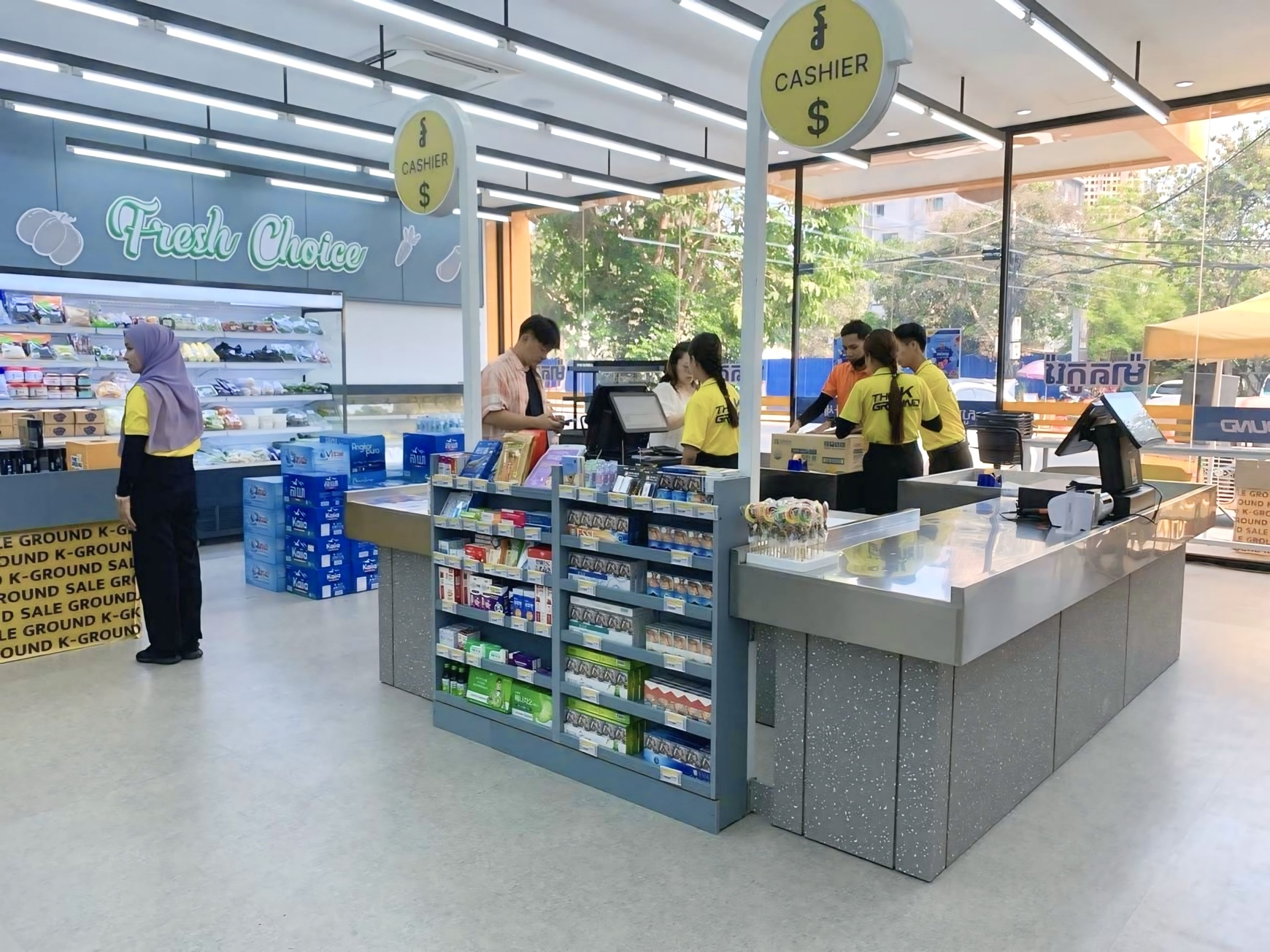
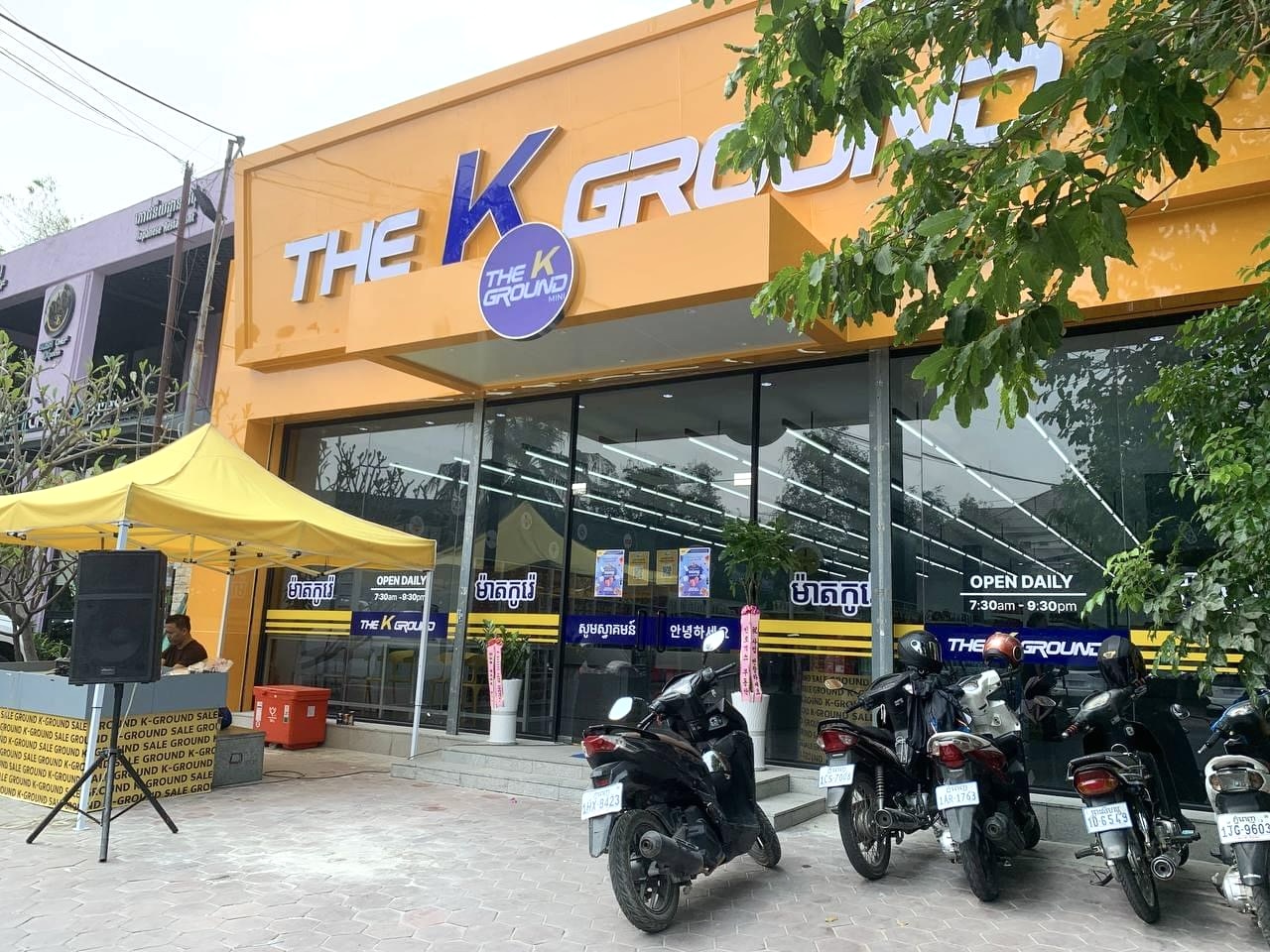
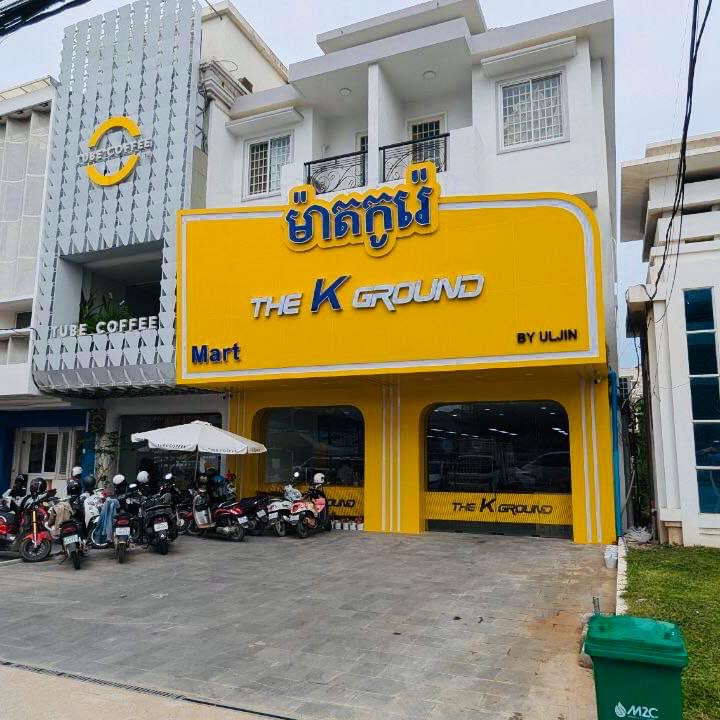
The primary objective was to deploy a high-speed, modern retail POS infrastructure tailored for The K Ground Mini's 6-store network in Cambodia.
The project was engineered to achieve the following core objectives:
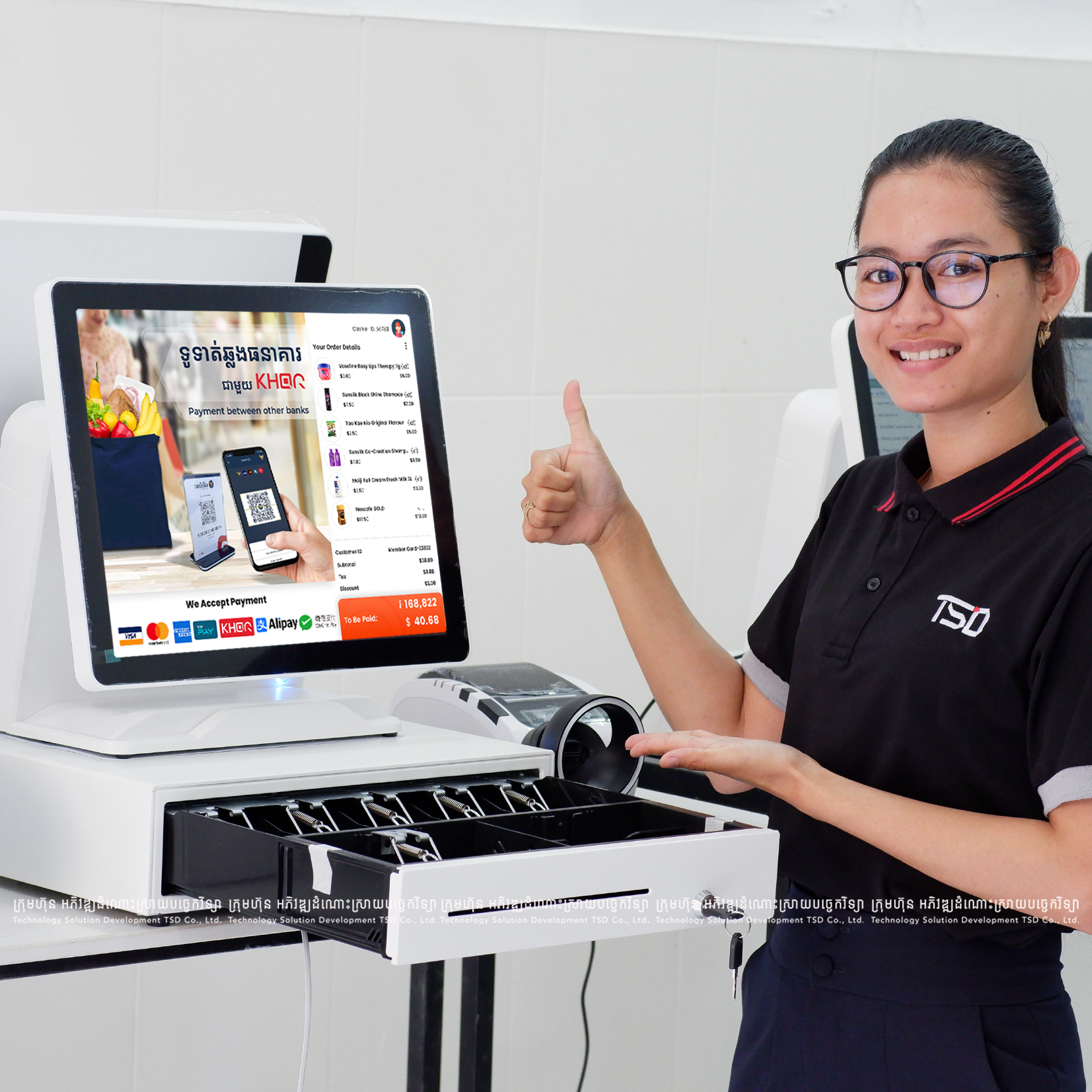
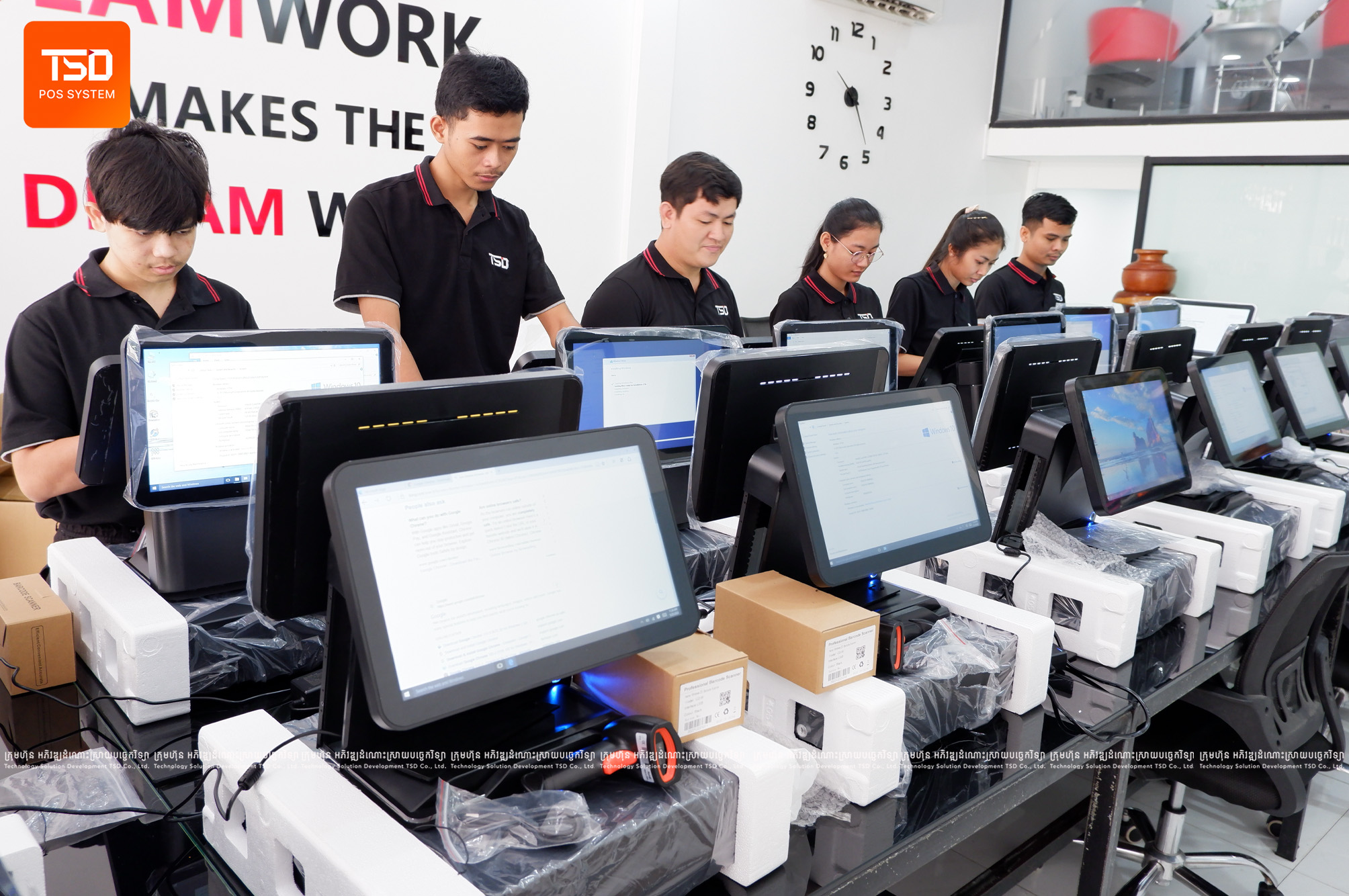
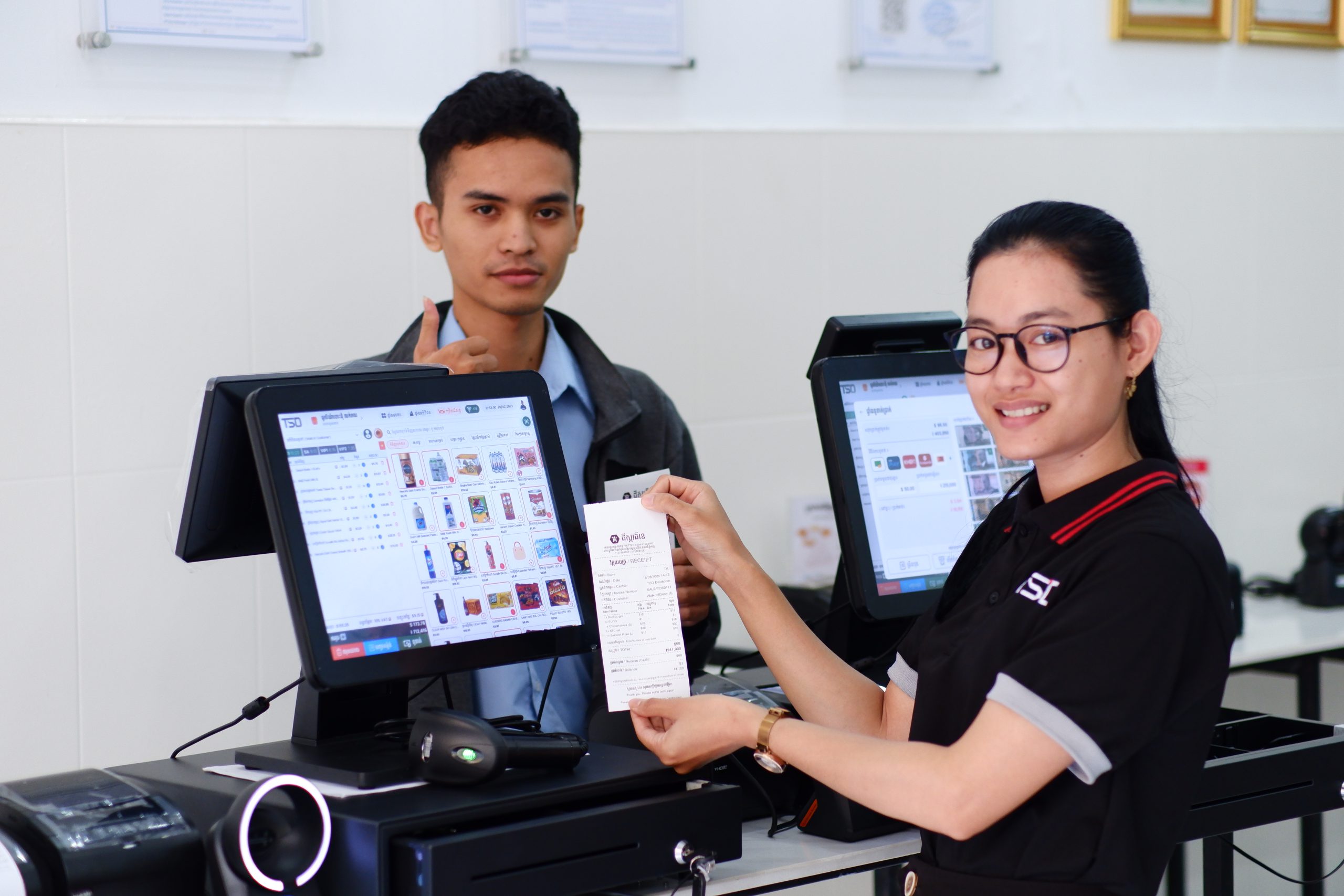
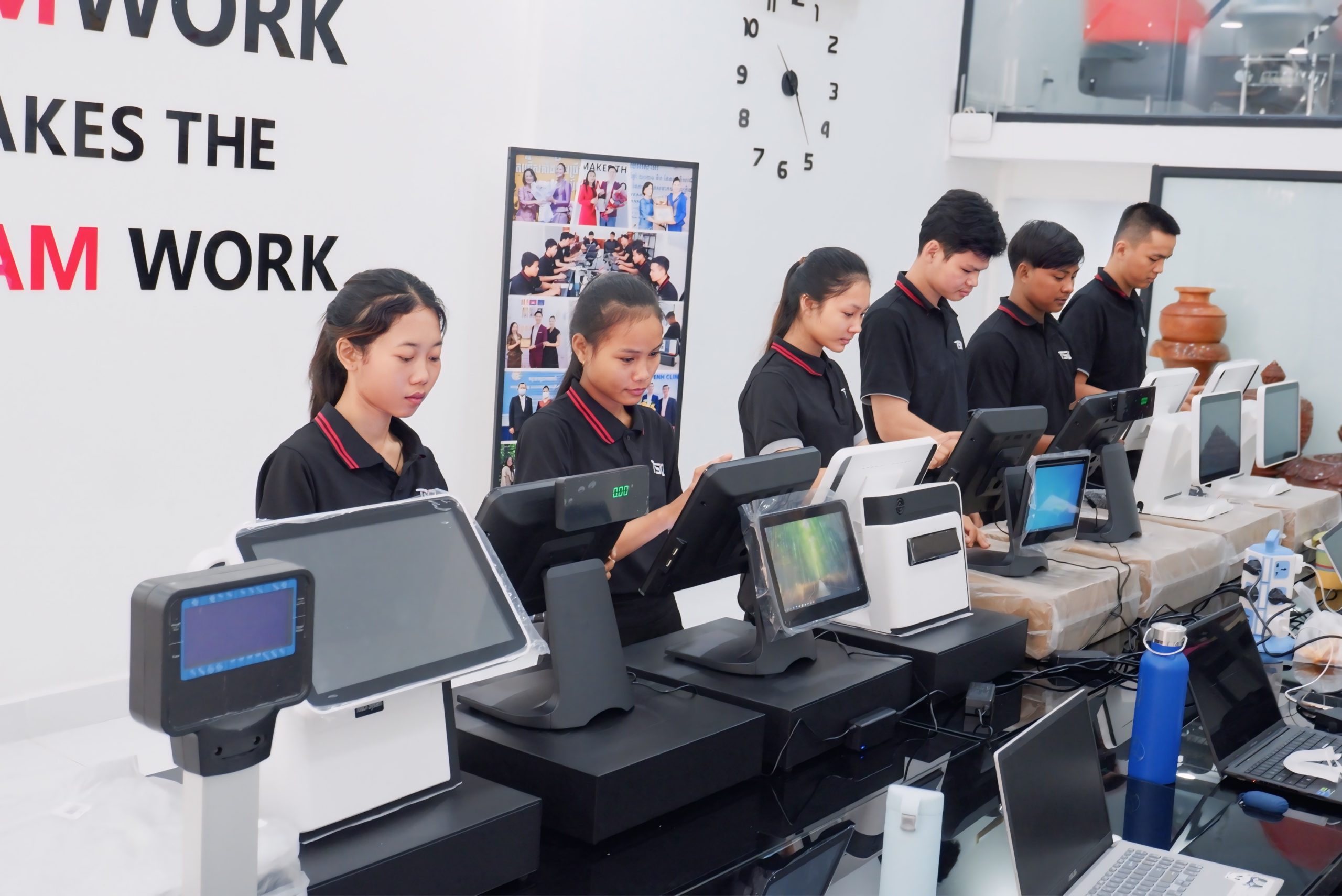
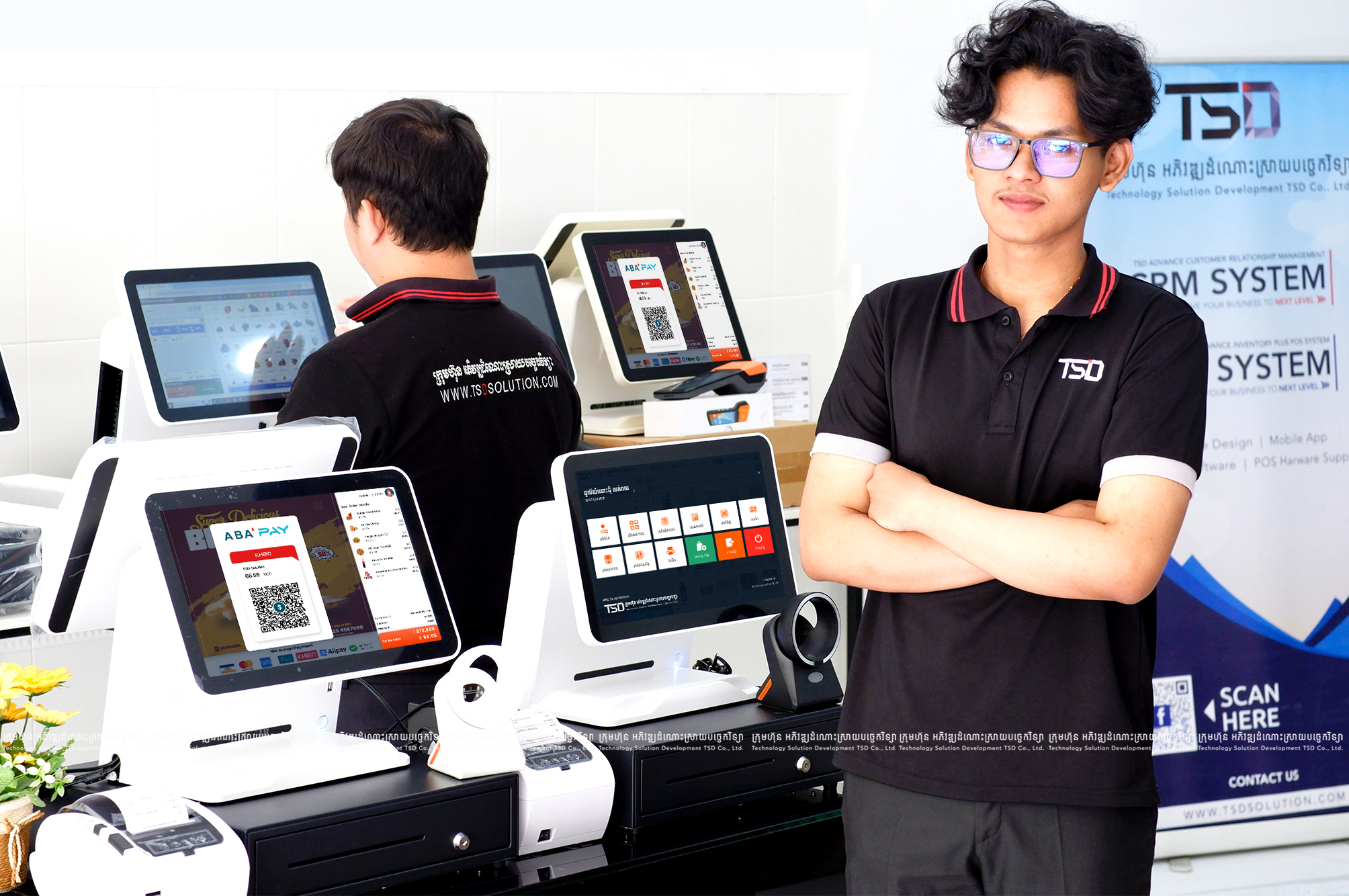
‣ Accelerate High-Traffic Cashier Checkout: Deploy 15+ capacitive dual-screen terminals equipped with omnidirectional laser barcode scanners.
‣ Enable Direct Korean Mobile Banking Settlement: Integrate dynamic QR code generation for Shinhan Bank, Woori Bank, and IBK alongside Bakong KHQR.
‣ Synchronize Inter-Branch Mart Inventory: Automate stock decrementing and real-time replenishment tracking across all 6 locations.
‣ Digitize Aisle Stock Counting: Equip floor staff with smart wireless handheld barcode terminals for paperless shelf audits.
‣ Enforce Strict Cash Drawer Governance: Implement automated Shift-In and Shift-Out cash flow audits to eliminate register variances.

Key Outcomes
The deployment of Korean Mart POS System Cambodia delivered outstanding operational enhancements across The K Ground Mini:
Key outcomes include:
‣ Sub-5-Second Cashier Turnaround: High-speed barcode scanning and intuitive touchscreen layouts reduced peak checkout lines dramatically.
‣ 100% Cashless Korean Bank Match: Korean expatriates and tourists pay effortlessly using their domestic mobile banking applications.
‣ 70% Faster Shelf Auditing: Smart handheld barcode terminals replaced manual clipboards, eliminating store closures during counts.
‣ Real-Time 6-Store Stock Transparency: Corporate directors monitor live sales, margin contributions, and SKU depletion nationwide.
‣ Zero Discrepancy Shift Reconciliation: Strict automated cash drawer balancing ensured complete transparency across all cashier shifts.
Challenges
Operating high-throughput convenience marts in prime commercial districts posed several retail challenges:
Key operational challenges included:
‣ Rush-Hour Cashier Bottlenecks: High transaction velocity in compact store footprints led to customer queuing delays at checkout.
‣ Multi-Store Stock Blind Spots: Disconnected branch registries caused frequent shortages of high-demand imported Korean foods and drinks.
‣ Foreign Mobile Payment Barriers: Korean expatriates encountered payment friction without direct integration into South Korean commercial bank gateways.
‣ Time-Consuming Manual Auditing: Physical counting with paper forms consumed excessive staff labor and frequently caused errors.
‣ Cash Reconciliation Overheads: Multiple daily cashier shift changes created accounting delays when balancing cash drawers manually.